


Research Facilities
Research Facilities
APS University provides comprehensive research facilities to promote innovation, scientific inquiry and academic excellence across various disciplines. The University offers well-equipped laboratories, a resource-rich Central \Library, digital databases, research journals and modern infrastructure to support high-quality research activities. Faculty members, research scholars and students are encouraged to undertake interdisciplinary research, publish scholarly work and collaborate with national and international institutions, fostering an environment of knowledge creation, technological advancement and meaningful contributions to society.
CENTRE FOR BIOTECHNOLOGY STUDIES
| 🔬 Research Equipment - 01 | 🧪 Research Equipment - 02 |
|---|---|
|

|
|
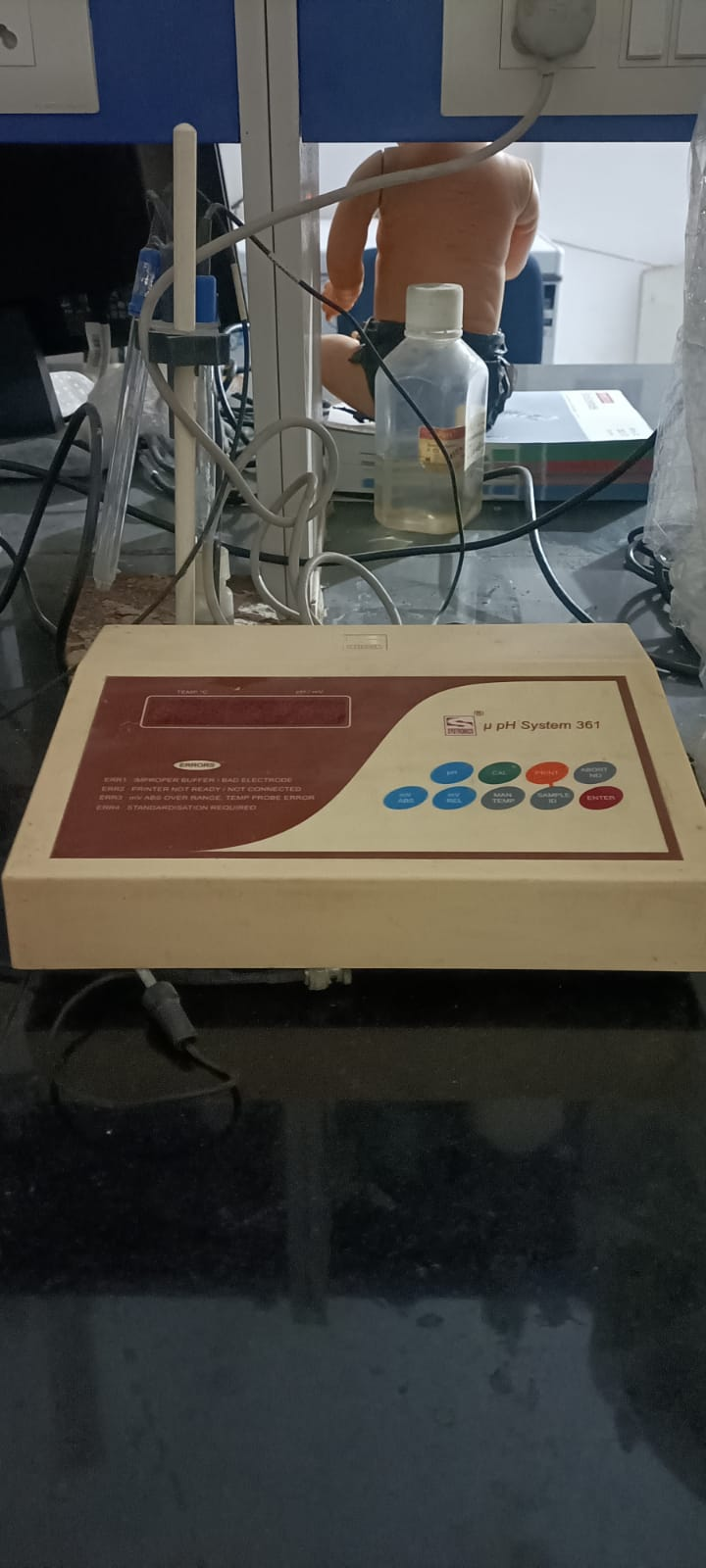
🔬 Name and Use Details of Instrument
🧪 pH Meter
📋 To measure pH of various solutions, reagents
|
🔬Name and Use Details of Instrument
🧪 UV-Vis Spectrophotometer
📋 Design to measure the spectrum of a compound, optical density of solutions.
|
|
|
|
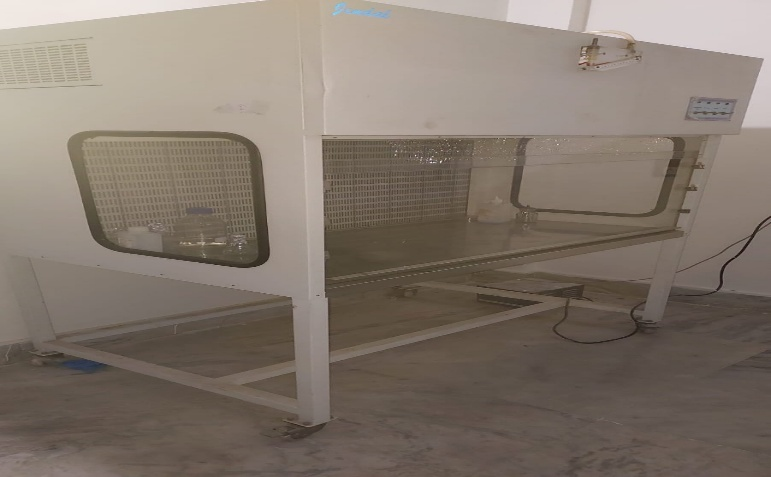
🔬 Name and Use Details of Instrument
🧪 Laminar Flow Cabinet
📋 Used for aseptic transfer of microbial culture, sterile drug preparation, inoculations, assays etc.
|
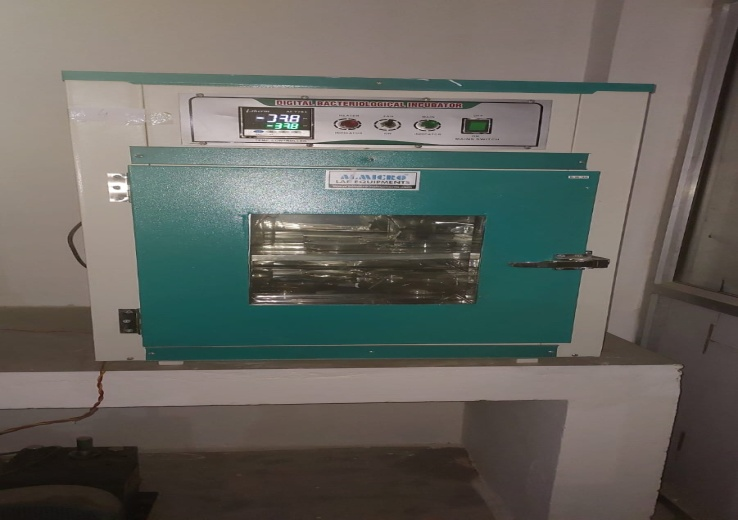
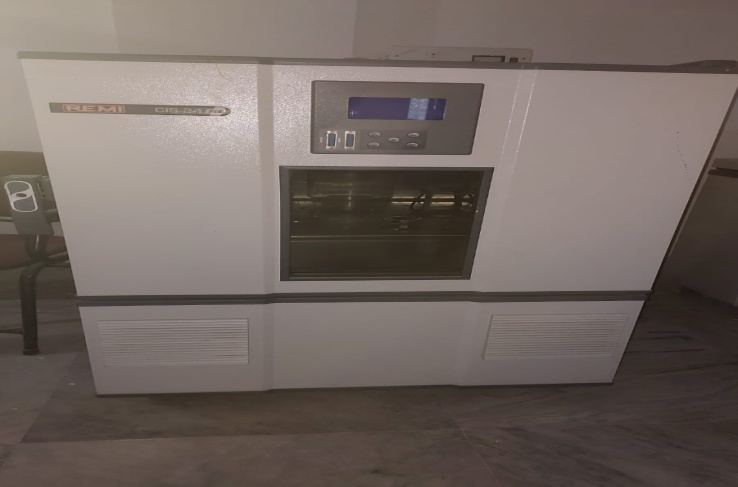
🔬 Name and Use Details of Instrument
🧪 Incubator (Bacterial/Fungal)
📋 Used to grow and maintain microbial cultures or cell cultures.
|
|
|
|
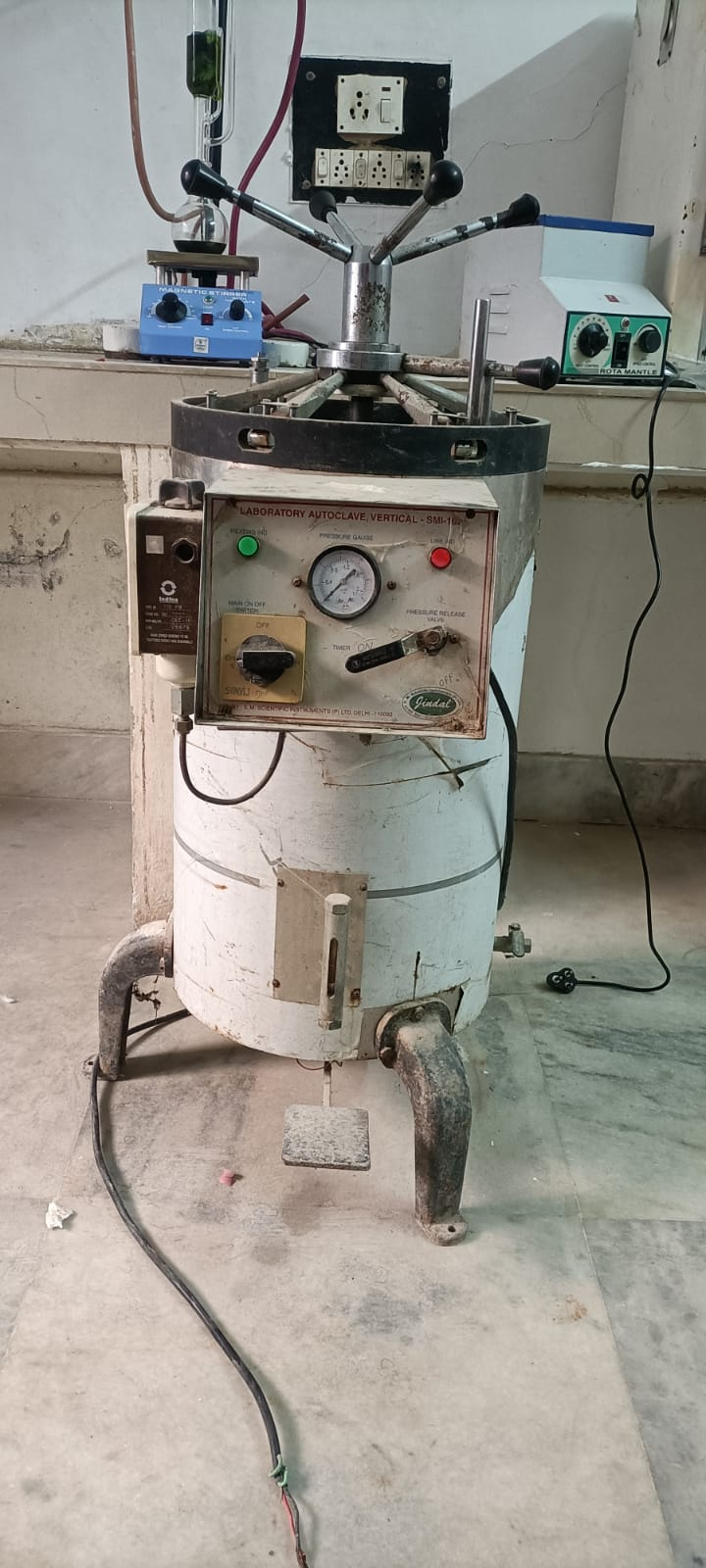
🔬 Name and Use Details of Instrument
🧪 Autoclave Machine
📋 To decontaminate biological waste & sterilize media, instruments and lab ware.
|
🔬 Name and Use Details of Instrument
🧪 IShaker Incubator
📋 Used to incubate & shake samples at a predetermined temperature & shaking speed.
|
|
|
|
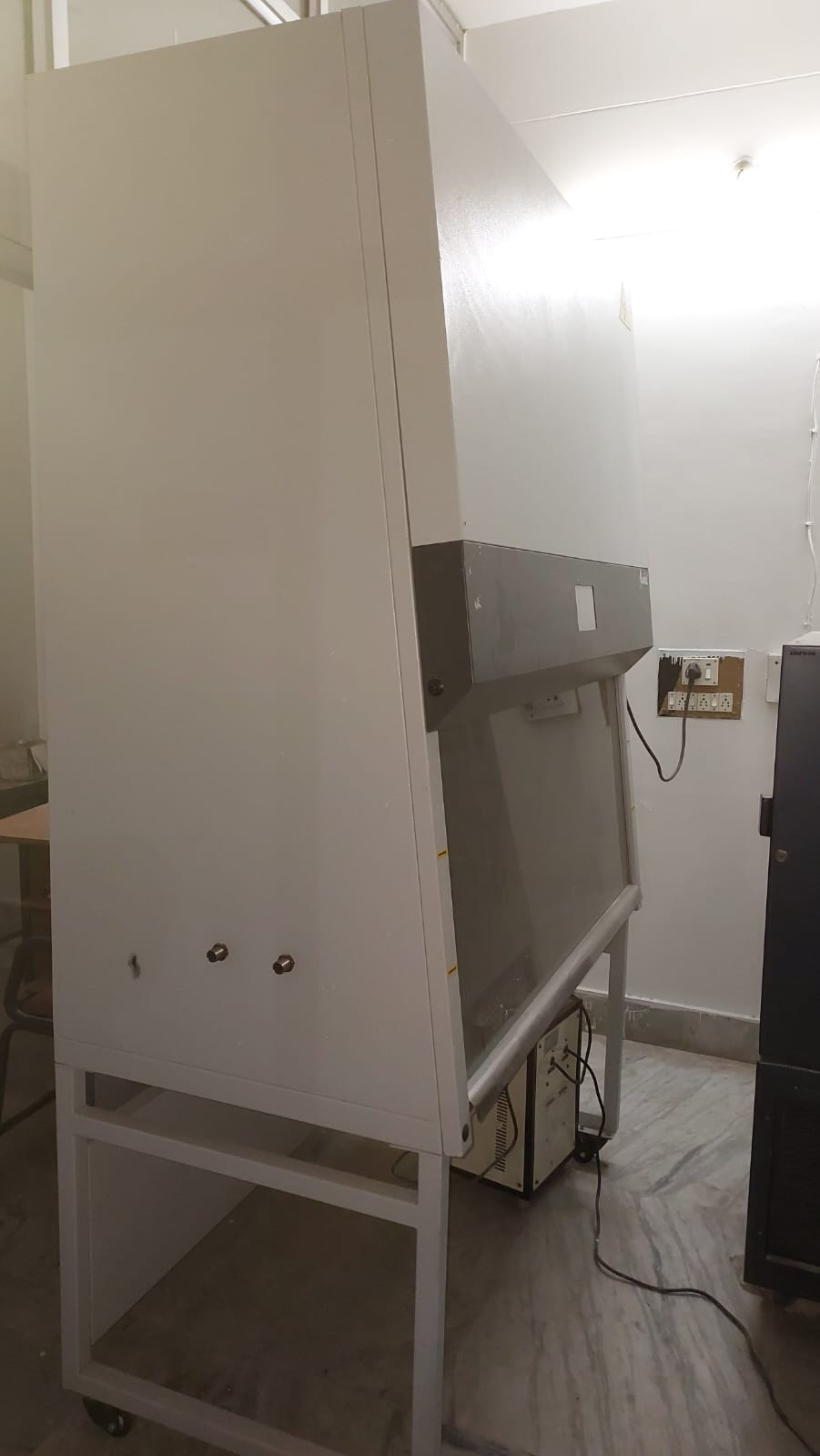
🔬 Name and Use Details of Instrument
🧪 BCL 2 Laminar Flow Cabinet
📋 Prevent contamination of research materials, biological samples, or any particle-sensitive device.
|
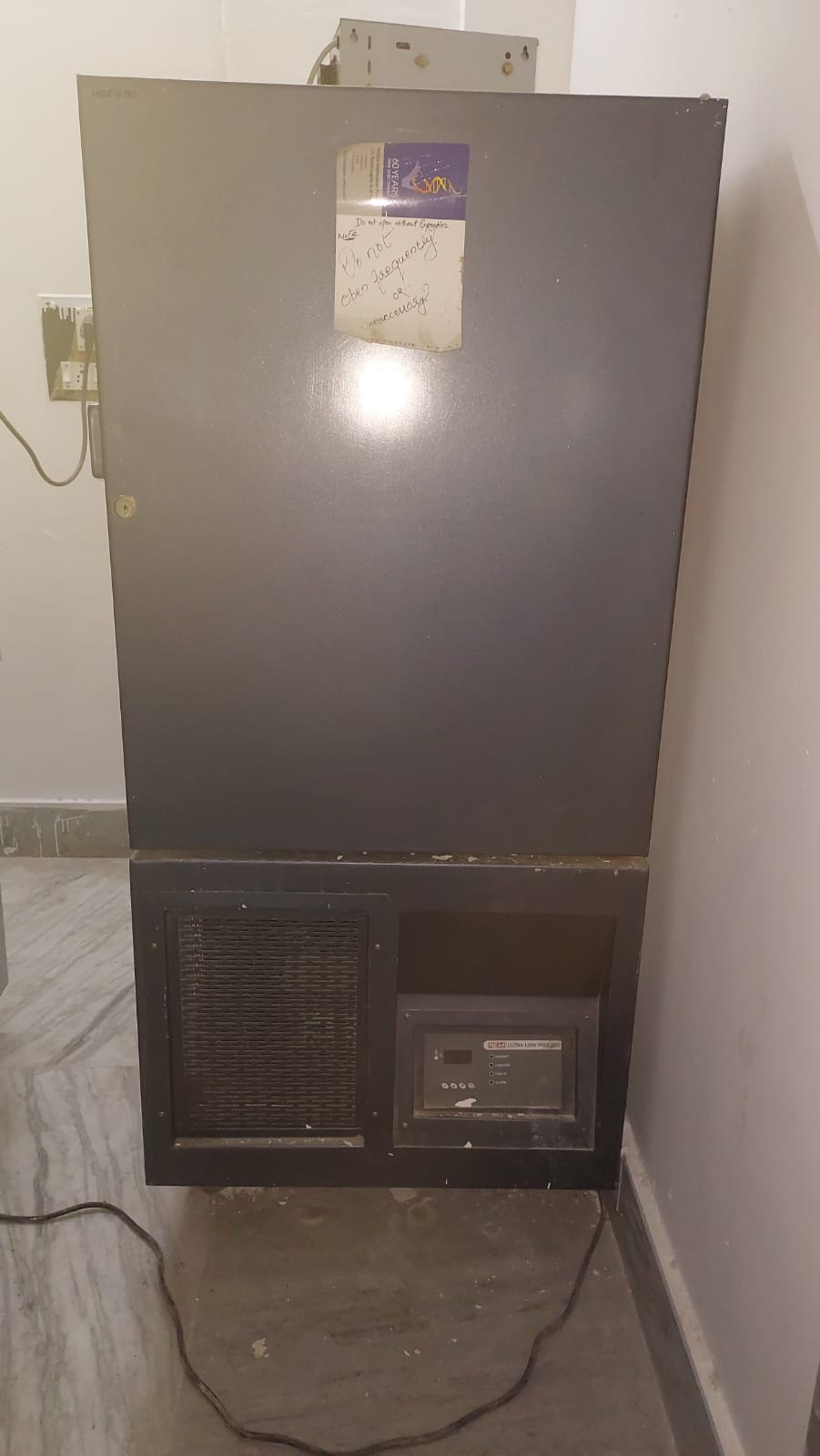
🔬 Name and Use Details of Instrument
🧪 -80° C refrigerator
📋 To store samples for long duration (6 to 12 months)
|
|
|
|
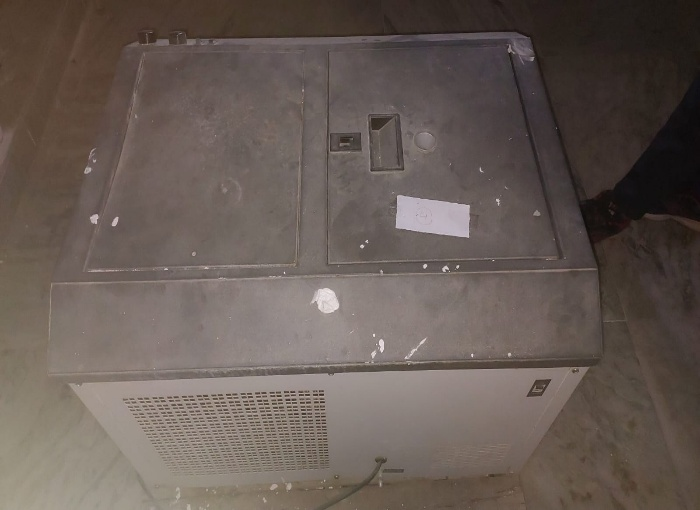
🔬 Name and Use Details of Instrument
🧪 Cooling Centrifuge
📋 Used for separation of microlitre temperature-sensitive heterogeneous mixtures or samples.
|
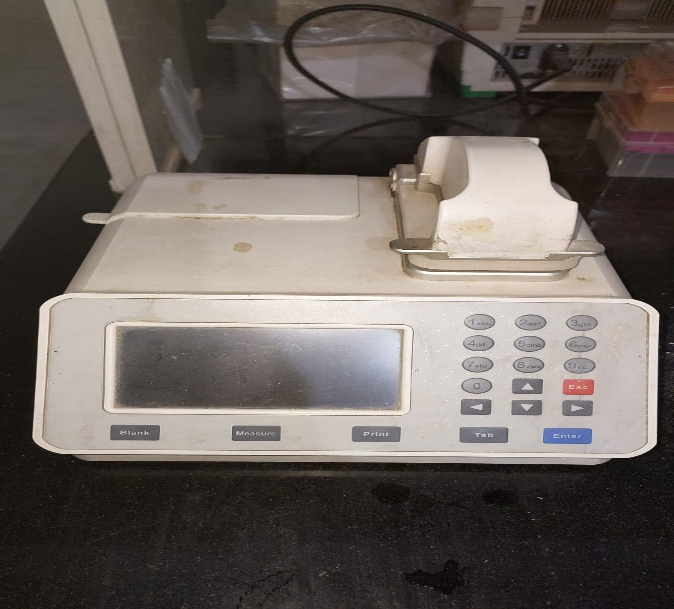
🔬 Name and Use Details of Instrument
🧪 Nanodrop
📋 To measure DNA, RNA or Protein concentration in the UV/Visible light range.
|
|
|
|
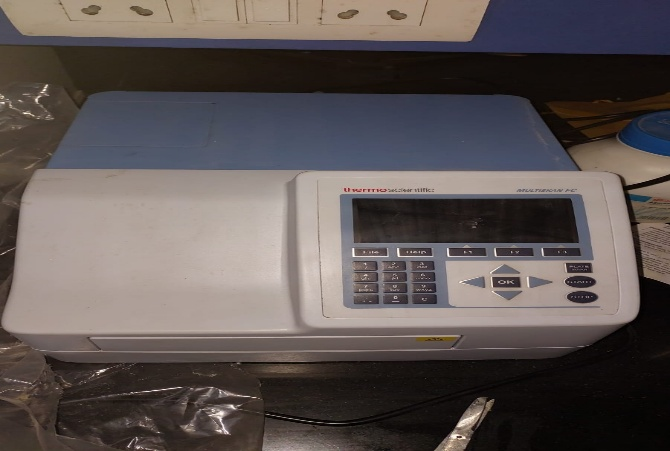
🔬 Name and Use Details of Instrument
🧪 ELISA Reader
📋 Used to read the protein estimation, fluorescent, chemiluminiscent, or chromogenic response of the ELISA in a 96- well plate.
|
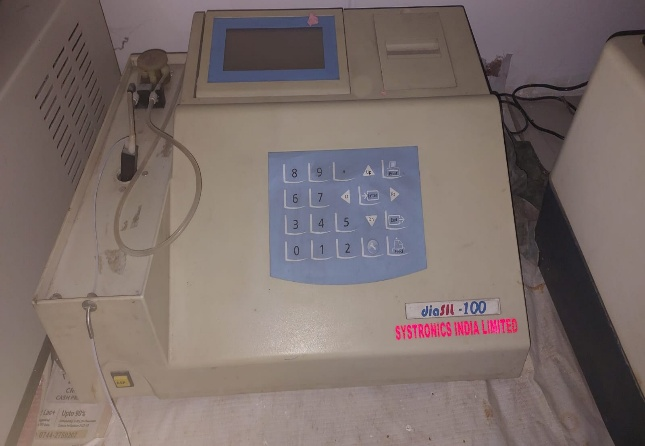
🔬 Name and Use Details of Instrument
🧪 Clinical Analyzer
📋 To calculate the concentration of certain substances within samples of serum, plasma, urine and other body fluids.
|
|
|
|
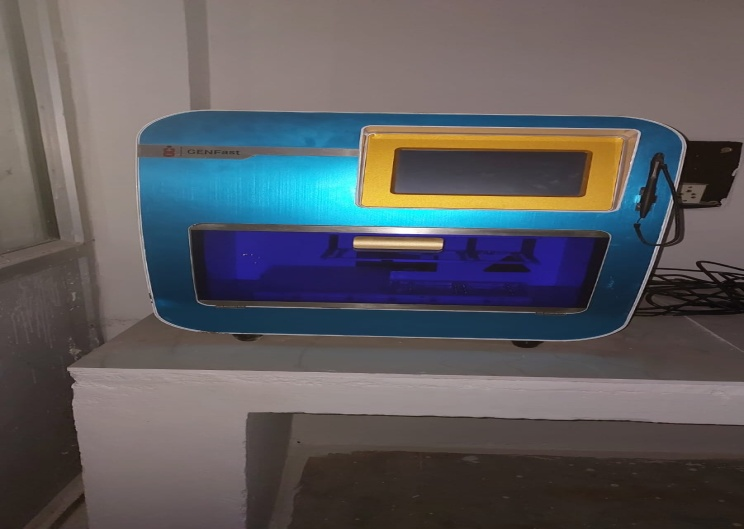
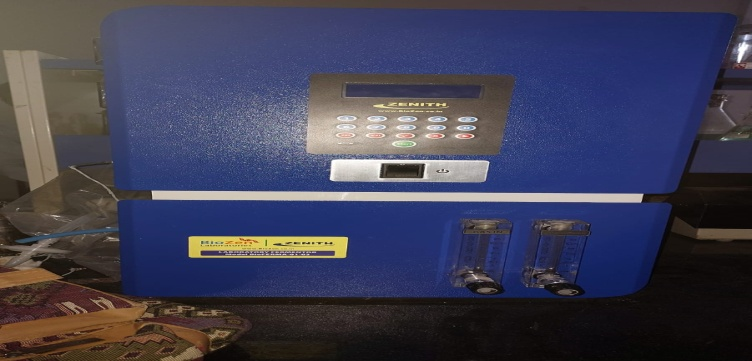
🔬 Name and Use Details of Instrument
🧪 Nucleic Acid Extractor
📋 The ability to extract DNA or RNA from biological samples.
|
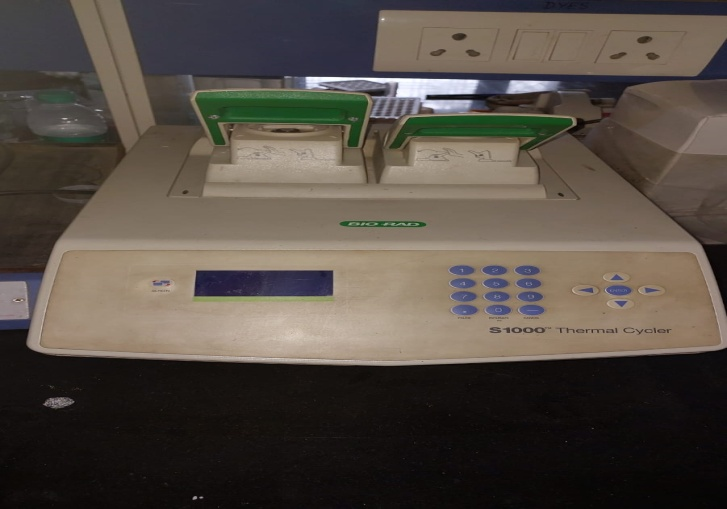
🔬 Name and Use Details of Instrument
🧪 Gradient PCR machine
📋 Allow the empirical determination of optimal annealing temperatures using the least number of Steps, cloning purposes.
|
|
|
|
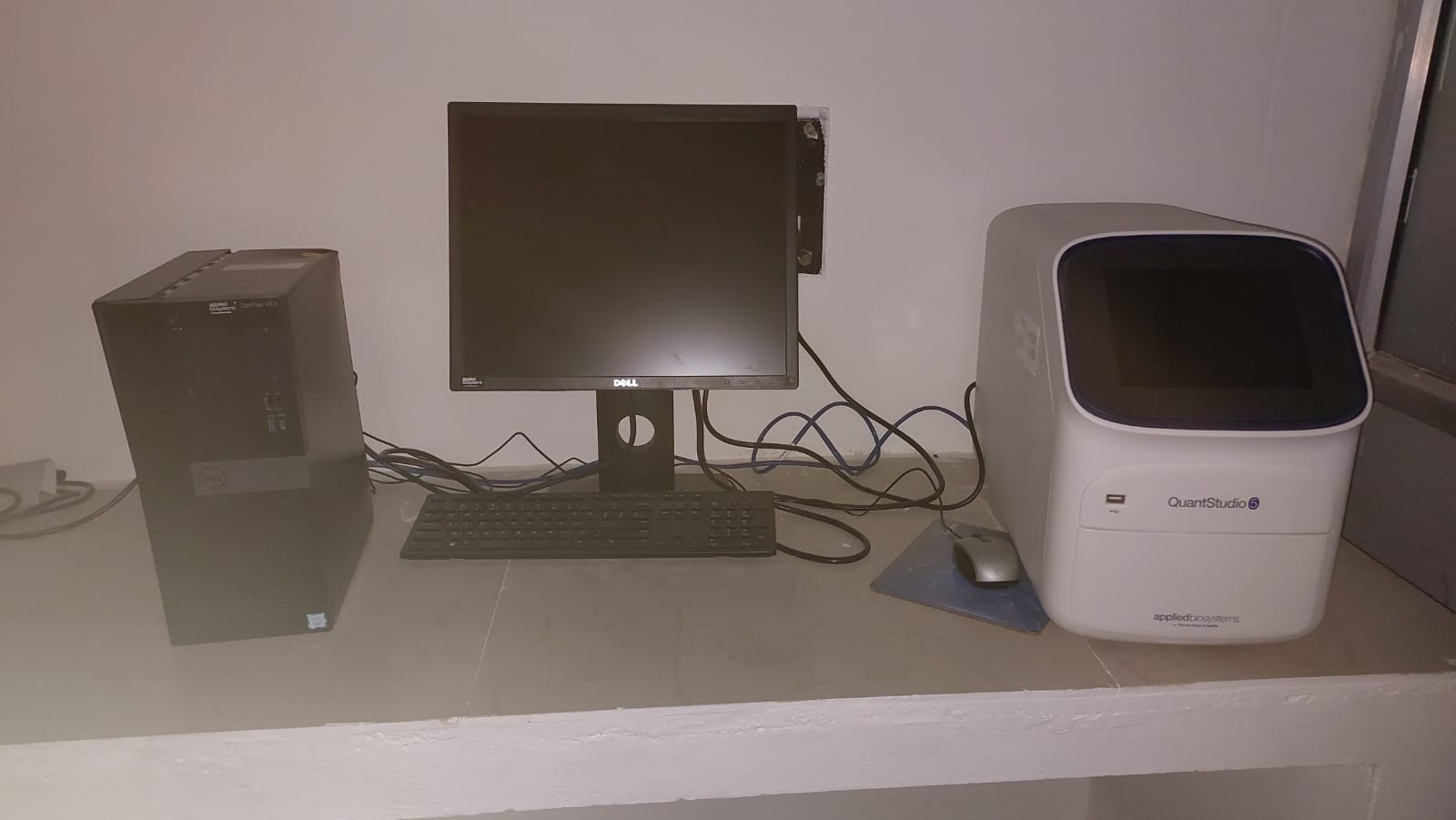
🔬 Name and Use Details of Instrument
🧪 Real Time PCR Machine
📋 It is commonly used to measure gene expression, molecular diagnostic purposes, suited for studies of small subsets of genes.
|
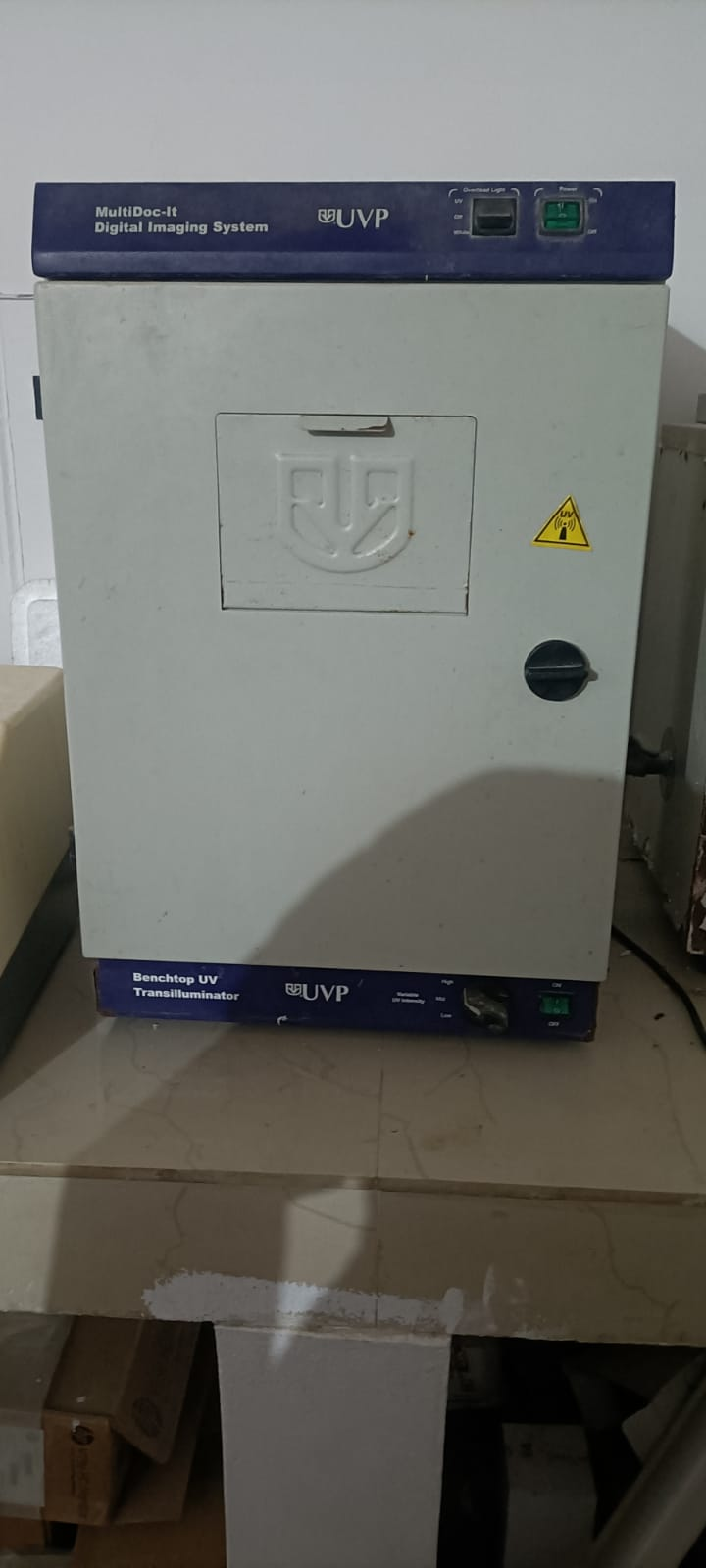
🔬 Name and Use Details of Instrument
🧪 Gel Documentation systems
📋 Used to record and analyze the results of gel electrophoresis and membrane blotting experiments.
|
|
|
|
🔬 Name and Use Details of Instrument
🧪 Fermenter
📋 It is widely used in large scale fermentation process and the commercial production of products like Alcoholic beverages, Enzymes, Antibiotics, organic acids etc.
|
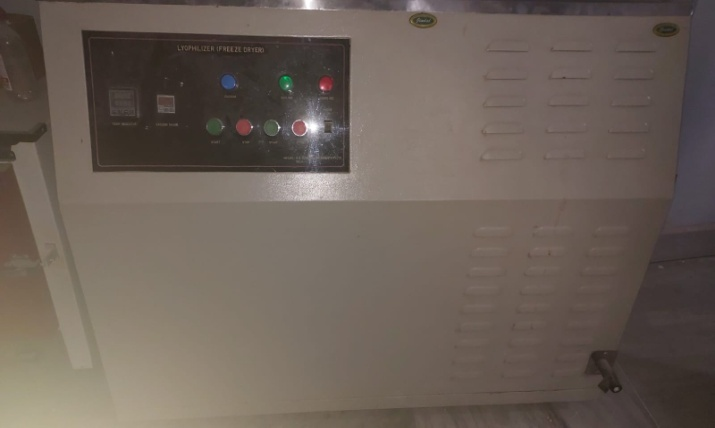
🔬 Name and Use Details of Instrument
🧪 Lyophilizer
📋 Used to preserve perishable materials, to extends shelf life or make the material more convenient for transport.
|
|
|
|
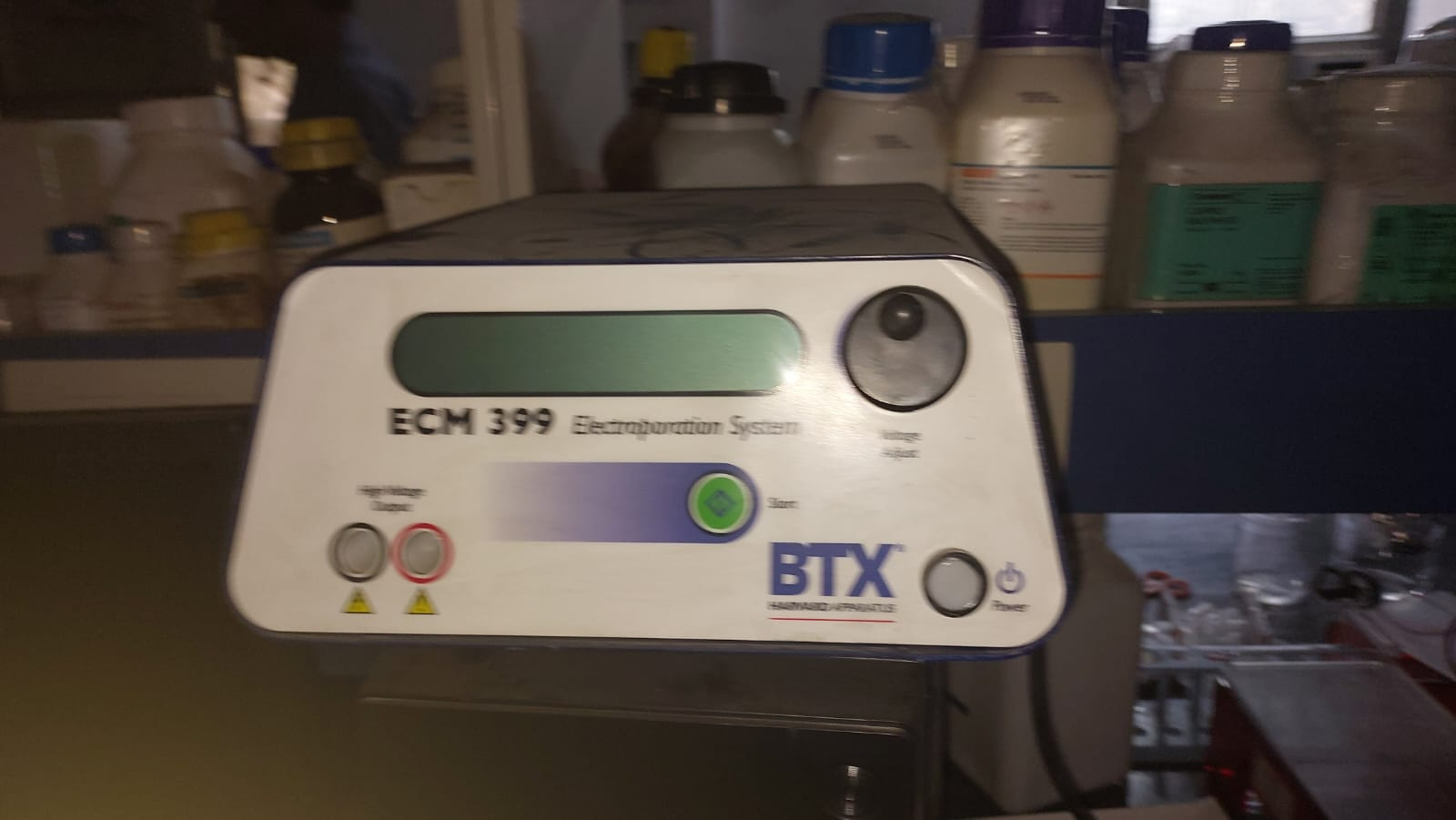
🔬 Name and Use Details of Instrument
🧪 Electroporator Machine
📋 Used to delivery of a large variety of molecules, from ions to drugs, dyes, tracers, antibodies, and oligonucleotides to RNA & DNA.
|
|
Department of Physics
| 🔬 Research Equipment - 01 | 🧪 Research Equipment - 02 |
|---|---|
|
|
|
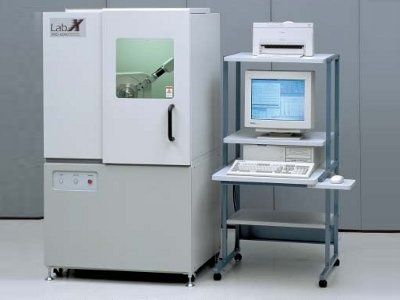
🔬 Name and Use Details of Instrument
🧪 X-ray diffraction (XRD)
📋 Used for the primary characterization of material properties like crystal structure, crystallite size, and strain.
|
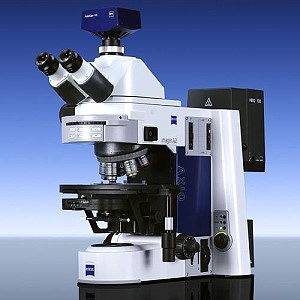
🔬Name and Use Details of Instrument
🧪 Optical Microscopy
📋 Optical microscopy is a technique employed to closely view a sample through the magnification of a lens with visible light.
|
|
|
|
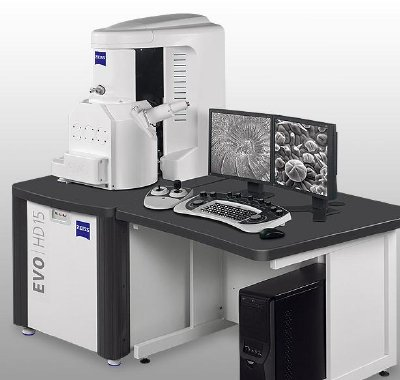
🔬 Name and Use Details of Instrument
🧪 Scanning Electron Microscopy
📋 SEMs are used in materials science for research, quality control and failure analysis.
|
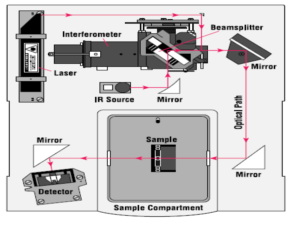
🔬Name and Use Details of Instrument
🧪 Fourier Transform Infrared Spectroscopy
📋 FTIR spectroscopy is used to quickly and definitively identify compounds.
|
Department of ENVIRONMENTAL BIOLOGY
| 🔬 Research Equipment - 01 | 🧪 Research Equipment - 02 |
|---|---|
|
|
|
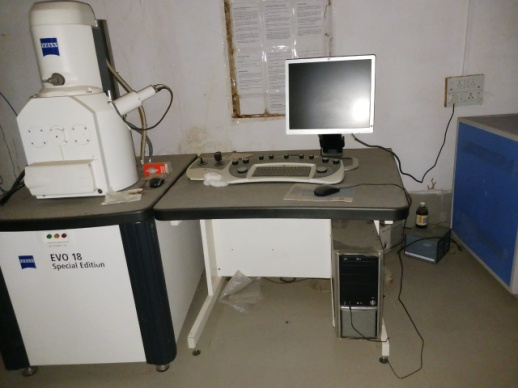
🔬 Name and Description Details of Instrument
🧪 Scanning Electron microscope
📋 Scanning electron microscopes are used to investigate the ultra structure of a wide range of biological and inorganic specimens i.e. microorganisms, cells, large molecules, biopsy samples, metals and crystals.
|
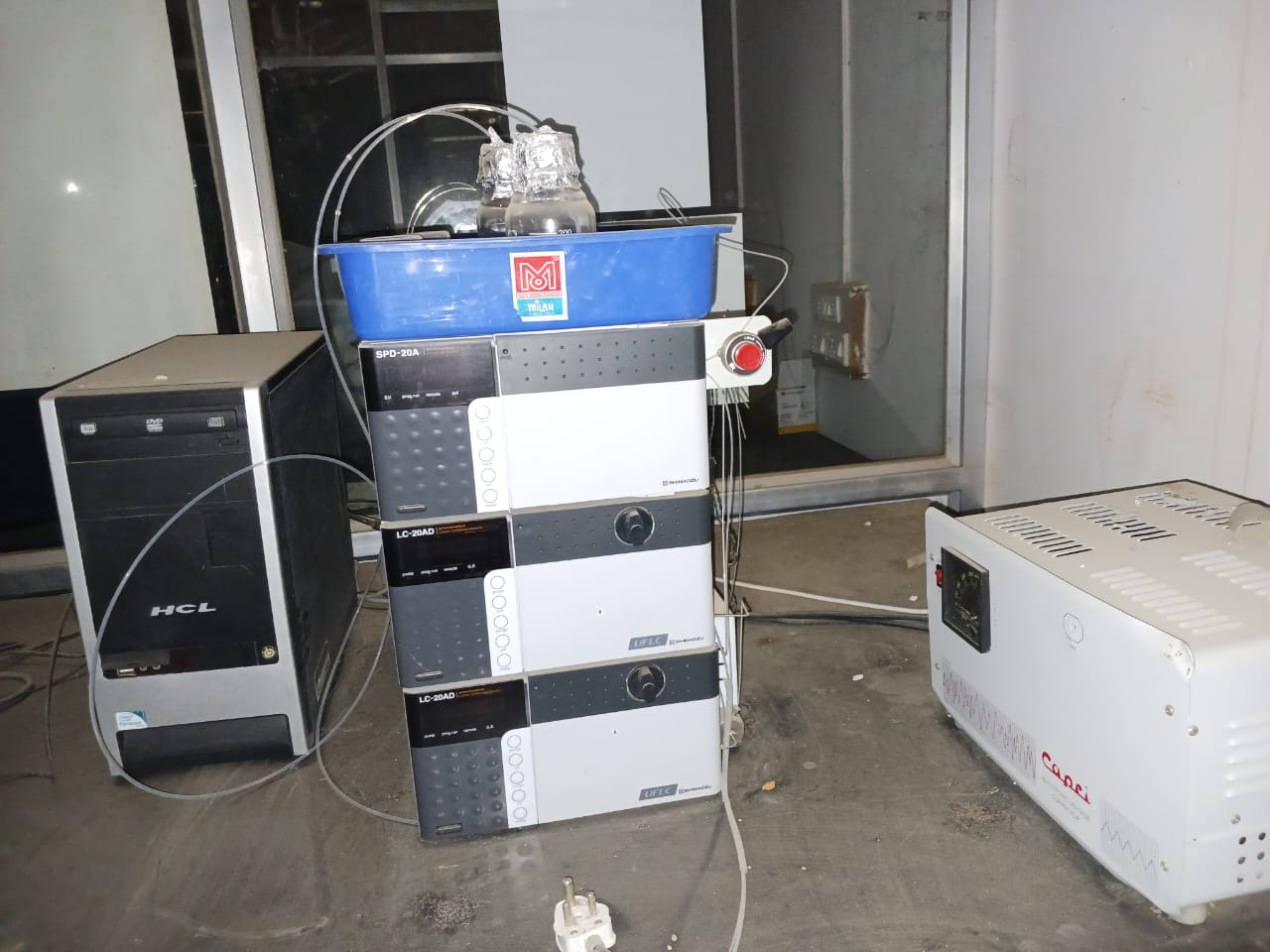
🔬Name and Description Details of Instrument
🧪 High performance liquid chromatography (HPLC)
📋 The main purpose of the HPLC technique is to identify, quantify and purify a particular analyte or compound. Both quantitative and qualitative analysis can be done.
|
|
|
|
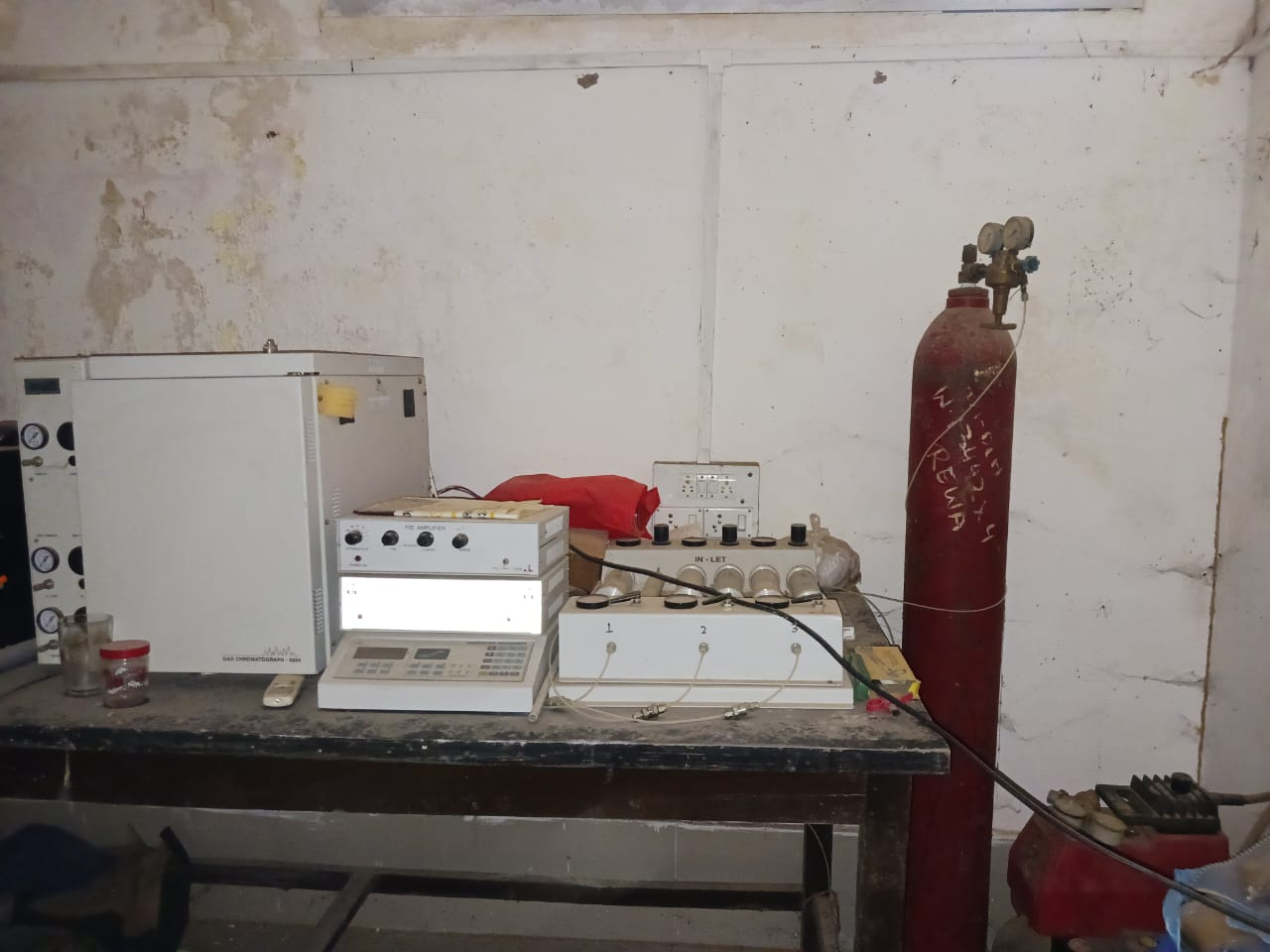
🔬 Name and Description Details of Instrument
🧪 Gas liquid chromatography (GLC)
📋 GLC includes testing purity of a substance, prepare new compounds from mixture(preparative chromatography), indentifying and separating different components of a mixture.
|
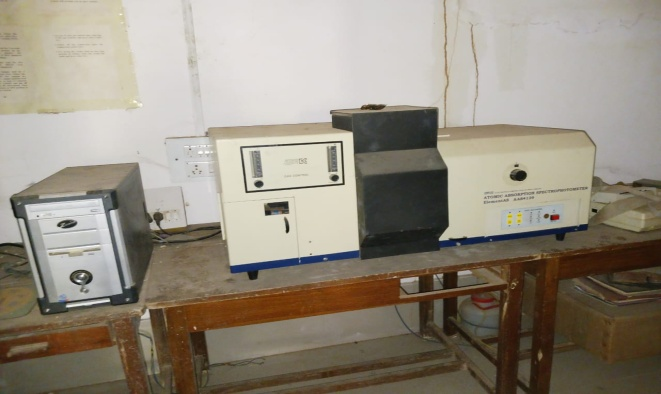
🔬Name and Description Details of Instrument
🧪 Atomic absorption spectrophotometer (AAS)
📋 >Atomic absorption spectrophotometer or AAS is a technique for measuring the csoncentrations of metallic elements in different materials.
|
|
|
|
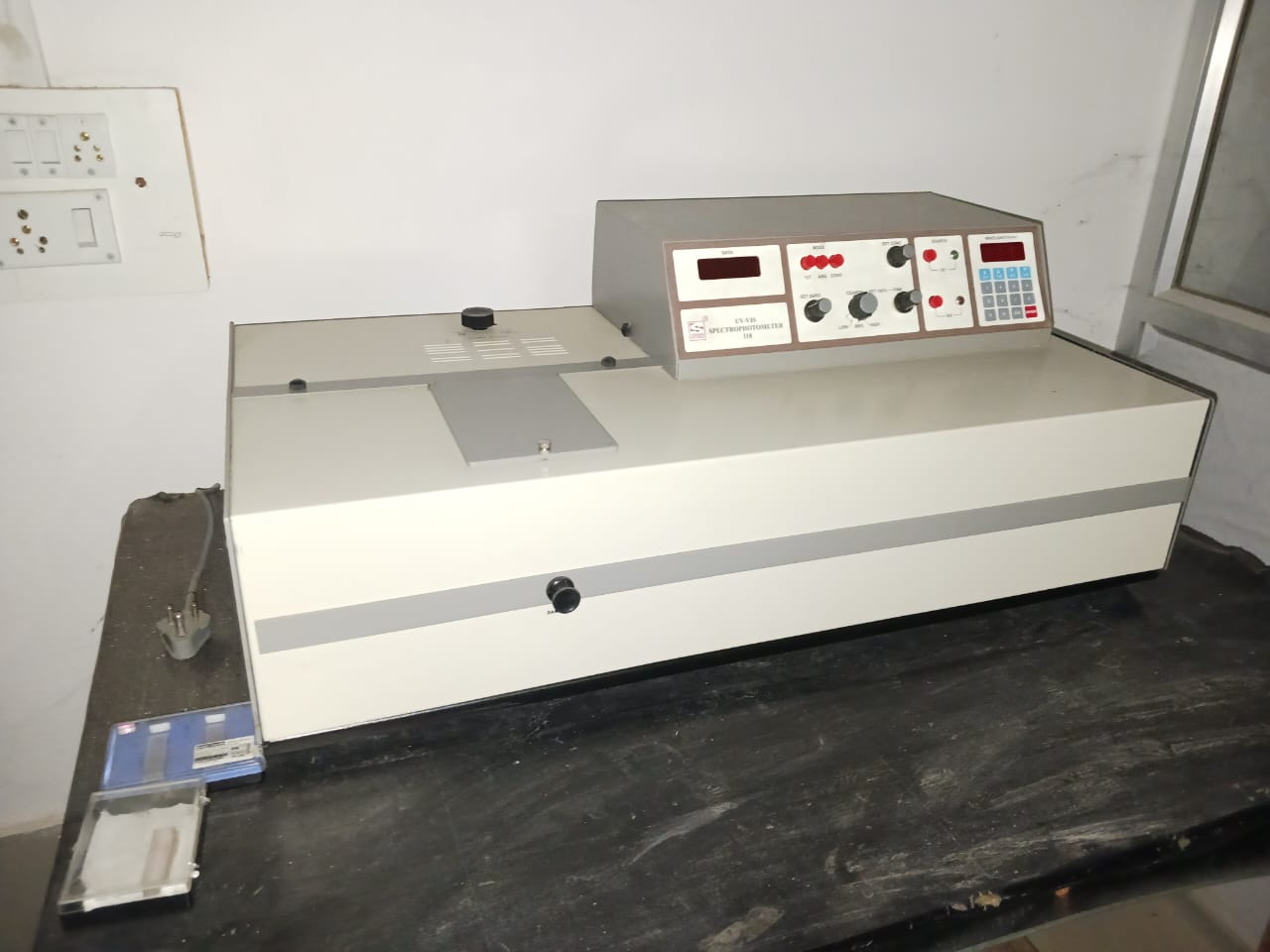
🔬 Name and Description Details of Instrument
🧪 Spectrophotometer
📋 A spectrophotometer is an analytical instrument used for the objective calculation of visible light, UV light or infrared light emission or reflection. Spectrophotometers measure intensity as a function of the wavelength of the light source.
|
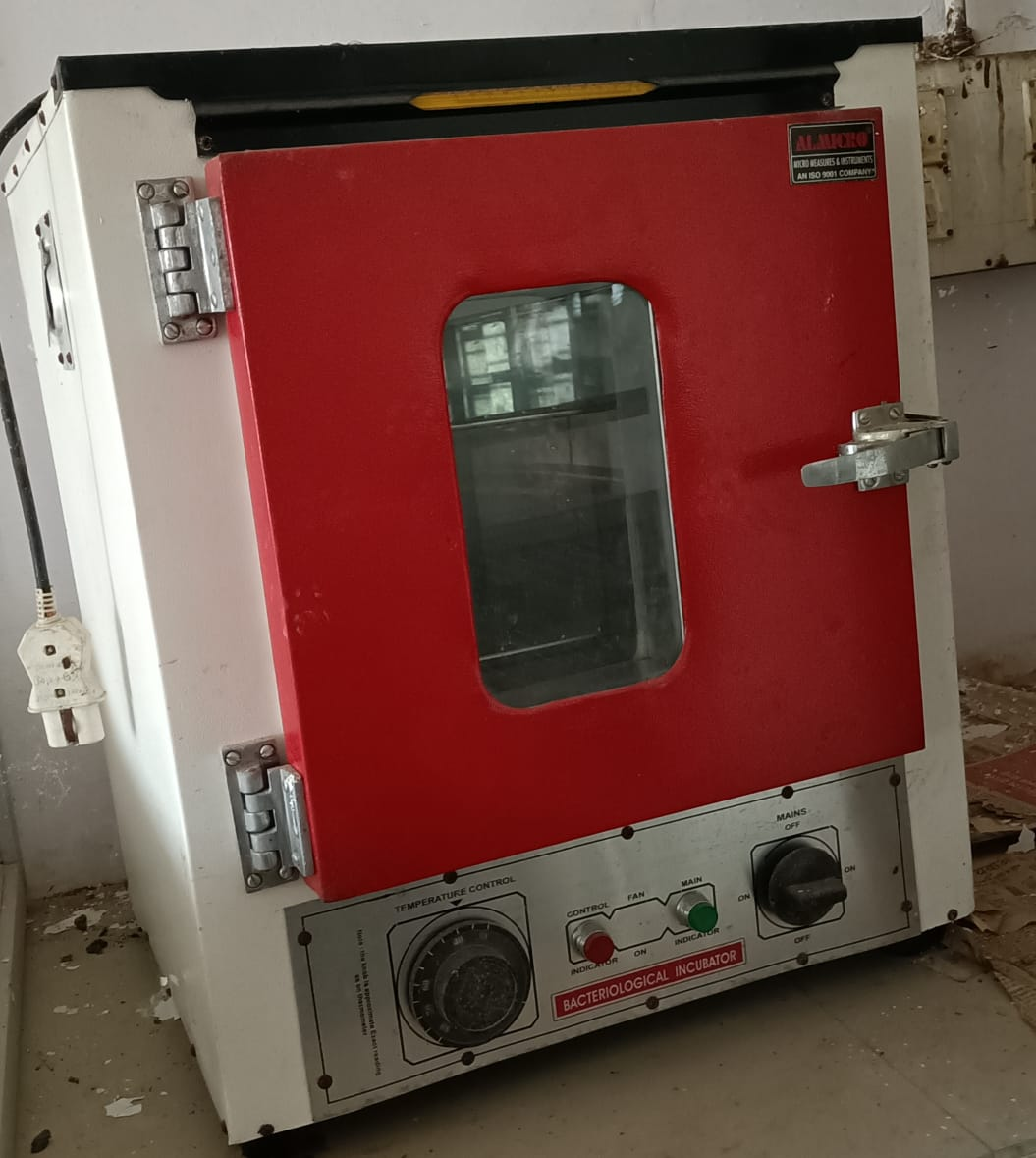
🔬Name and Description Details of Instrument
🧪 Bacteriological Incubator
📋 Bacteriological incubator is used for storage of bacteria plate and bacterial culture growth at 370 C.
|
|
|
|
🔬 Name and Description Details of Instrument
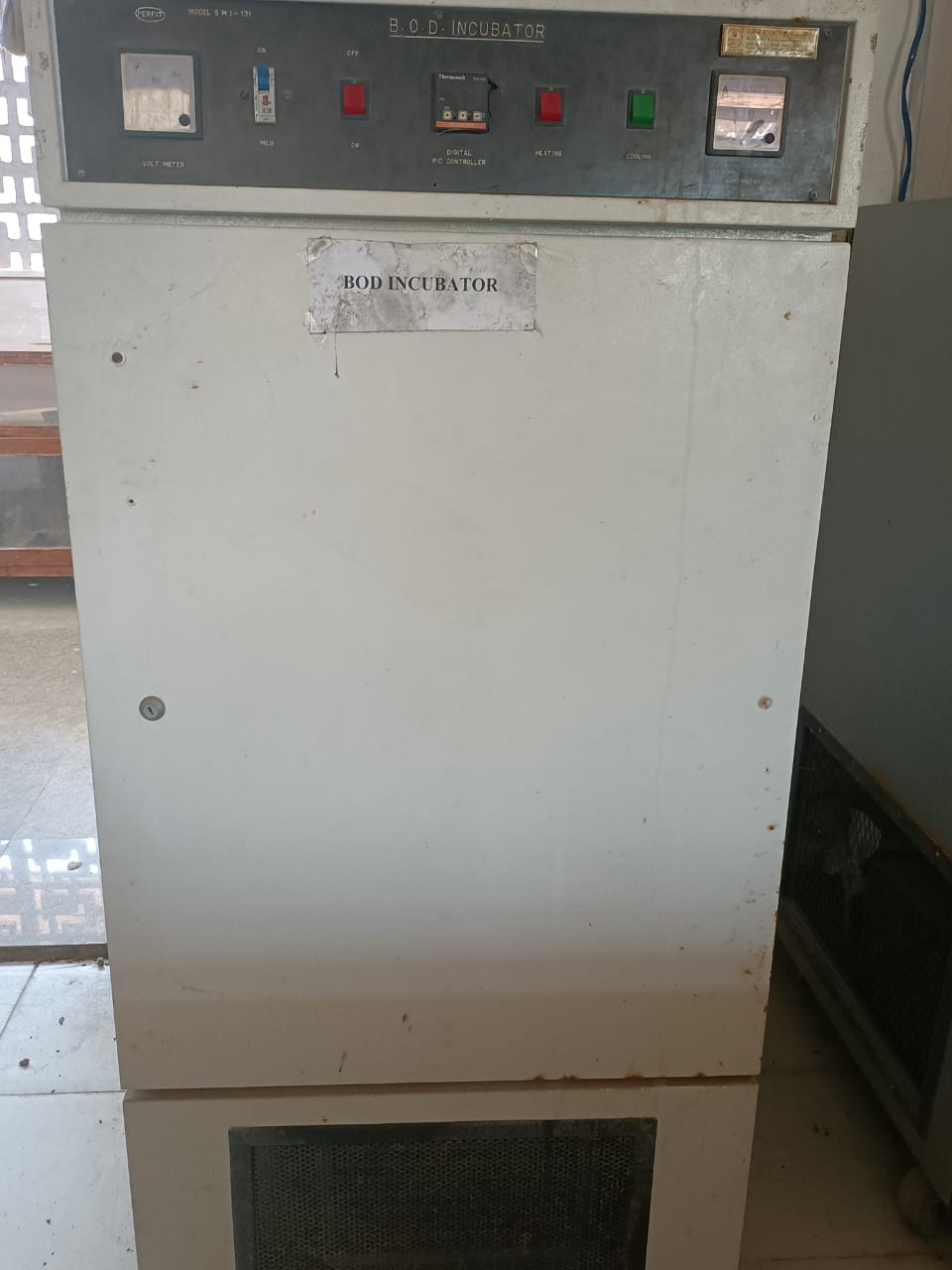
🧪 Biological oxygen demand (BOD) incubator
📋 BOD incubators are especially useful for determining levels of organic matter and nitrogen in waste water samples. BOD incubator provides the required temperature for the growth of microorganisms and allows performing the BOD testing.
|
🔬Name and Description Details of Instrument
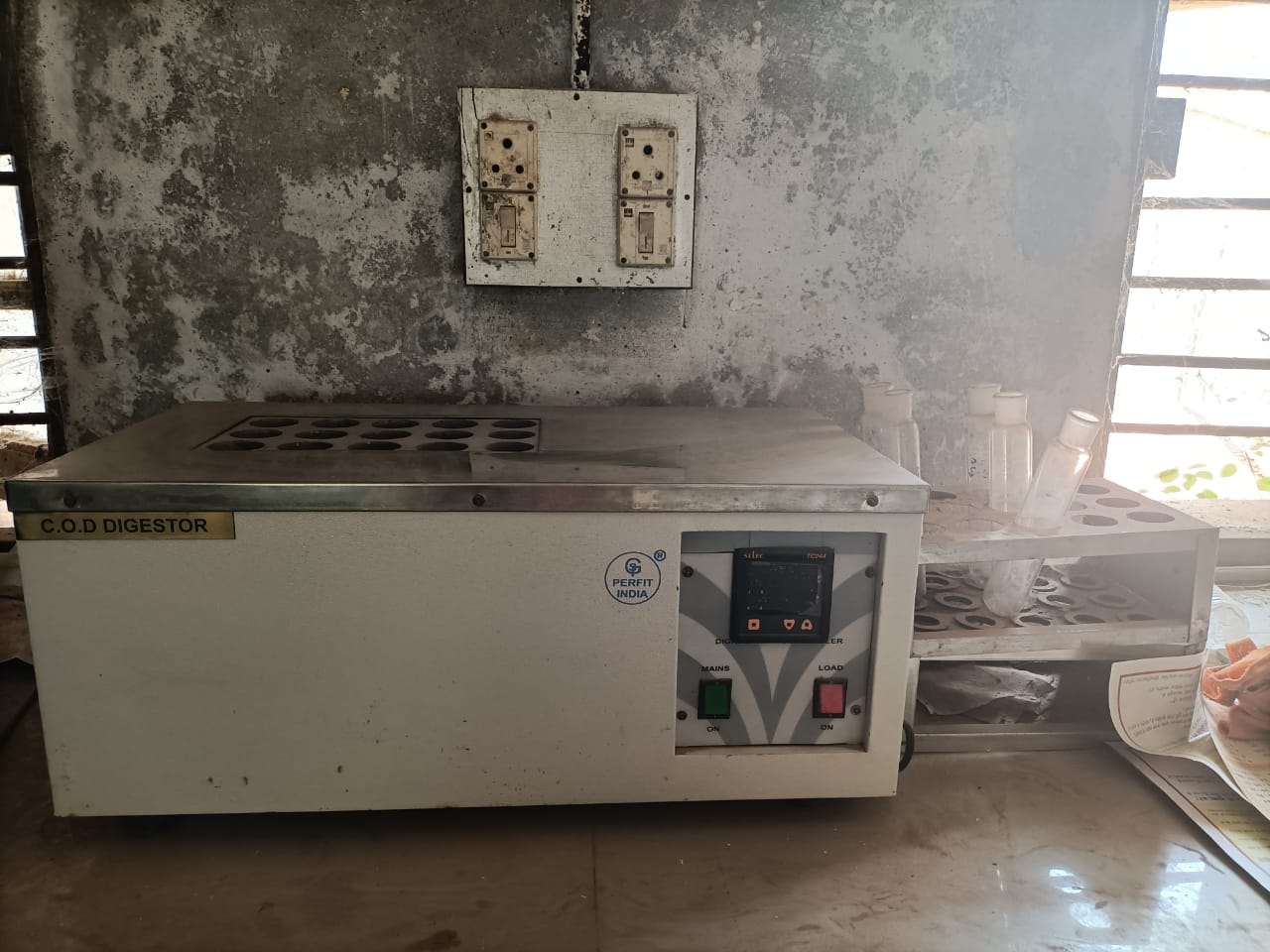
🧪 Chemical oxygen demand(COD) digestion assembly
📋 COD digestion apparatus are used for determining chemical oxygen demand in effluents like waste water, industrial water, sewage water which are discarded after processing.
|
|
|
|
🔬 Name and Description Details of Instrument
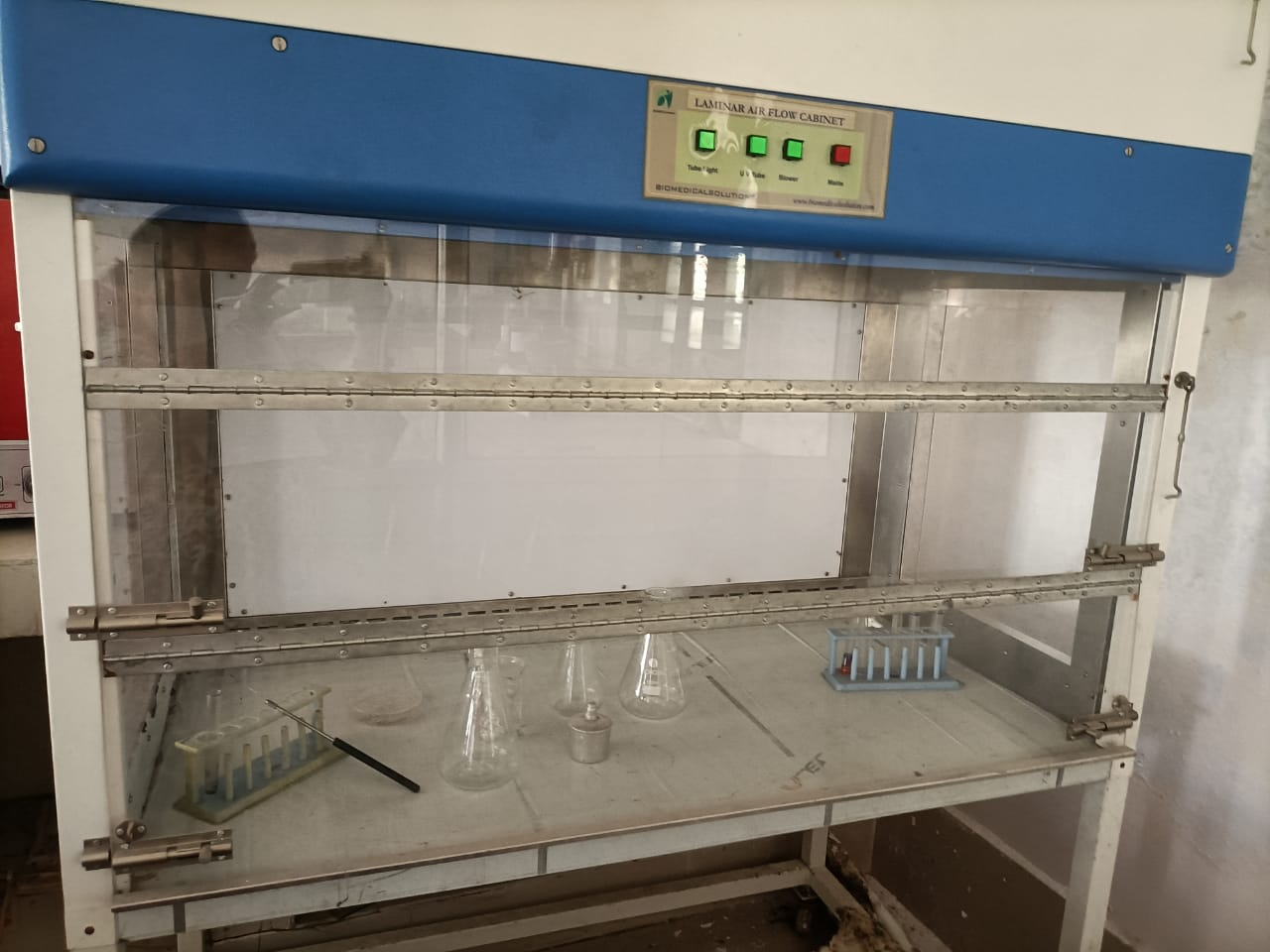
🧪 Laminar air flow
📋 Laminar air flow is defined as air flow in which the entire body of air within a designated space is uniform in both velocity and direction.
|
🔬Name and Description Details of Instrument
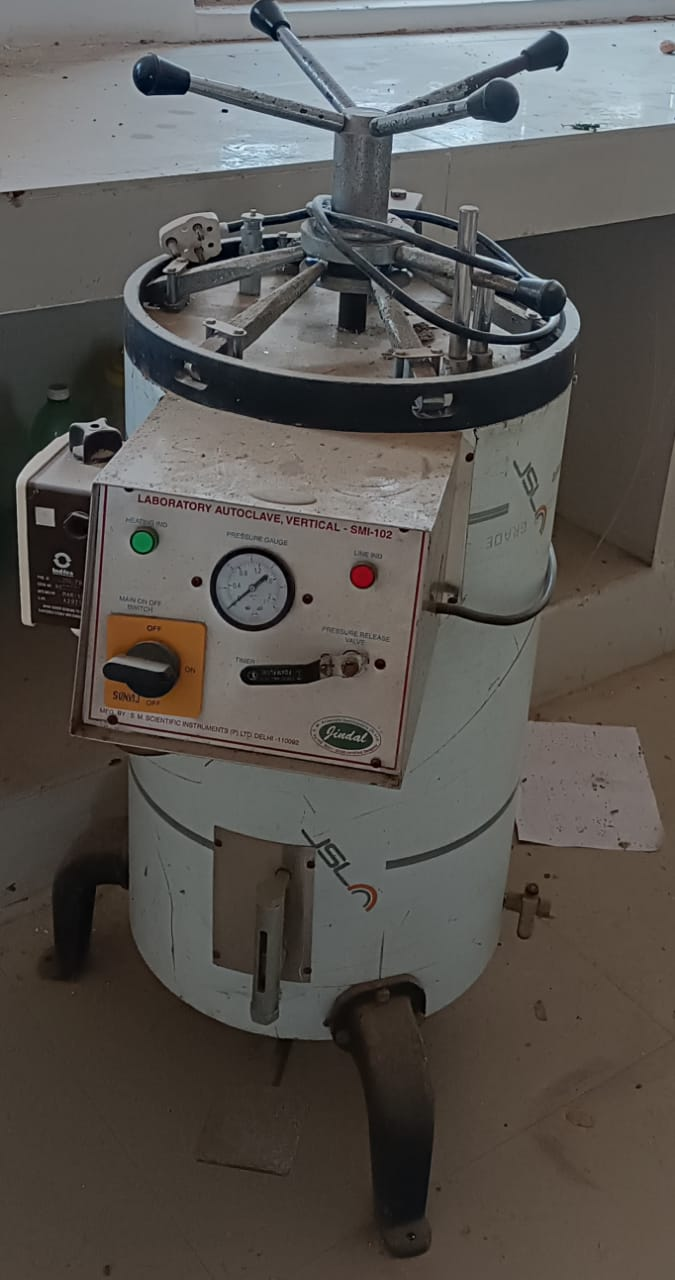
🧪 Autoclave
📋 Autoclave provide a physical method for disinfection and sterilization. It works with a combination of steam, pressure and time.
|
|
|
|
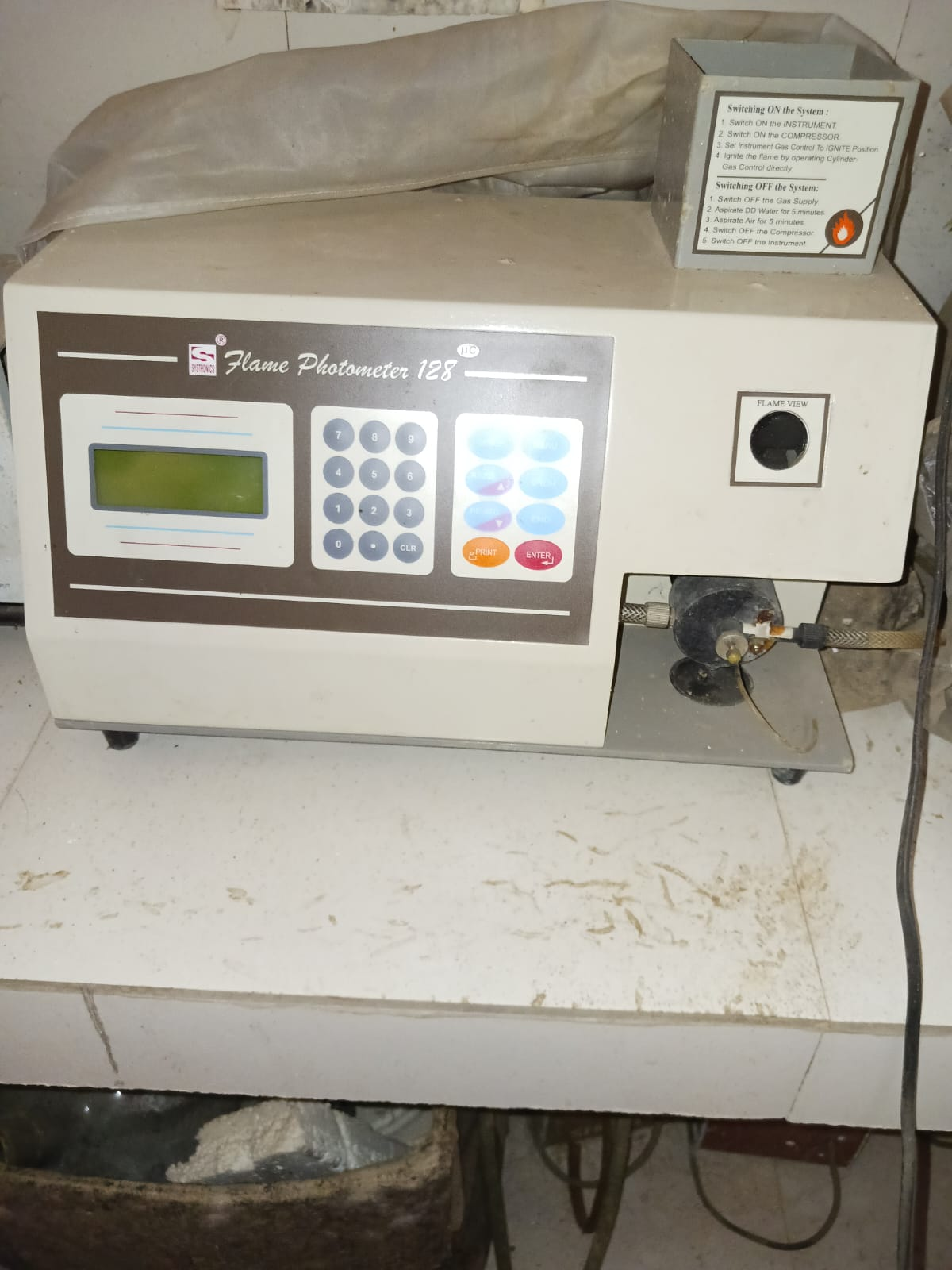
🔬 Name and Description Details of Instrument
🧪 Flame photometer
📋 Flame photometer is an analytical instrument used in clinical laboratories for determining of sodium, potassium, lithium and calcium ions in body fluids.
|
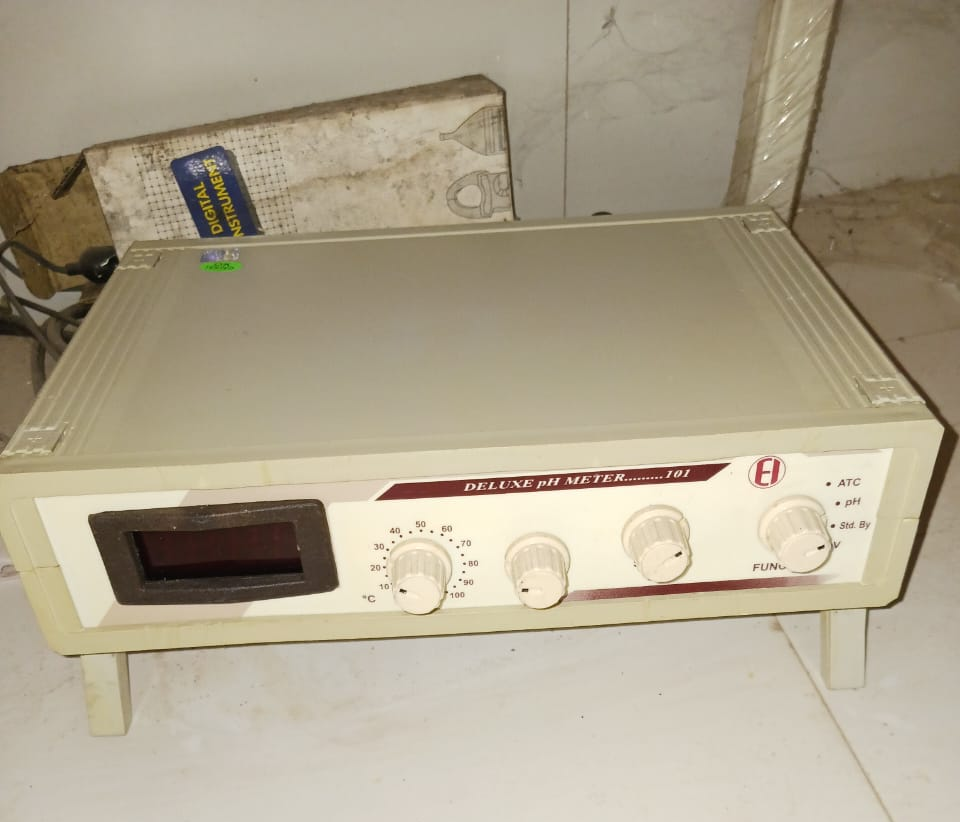
🔬Name and Description Details of Instrument
🧪 pH meter
📋 pH meter is an instrument used to measure acidity or alkalinity of a solution.
|
|
|
|
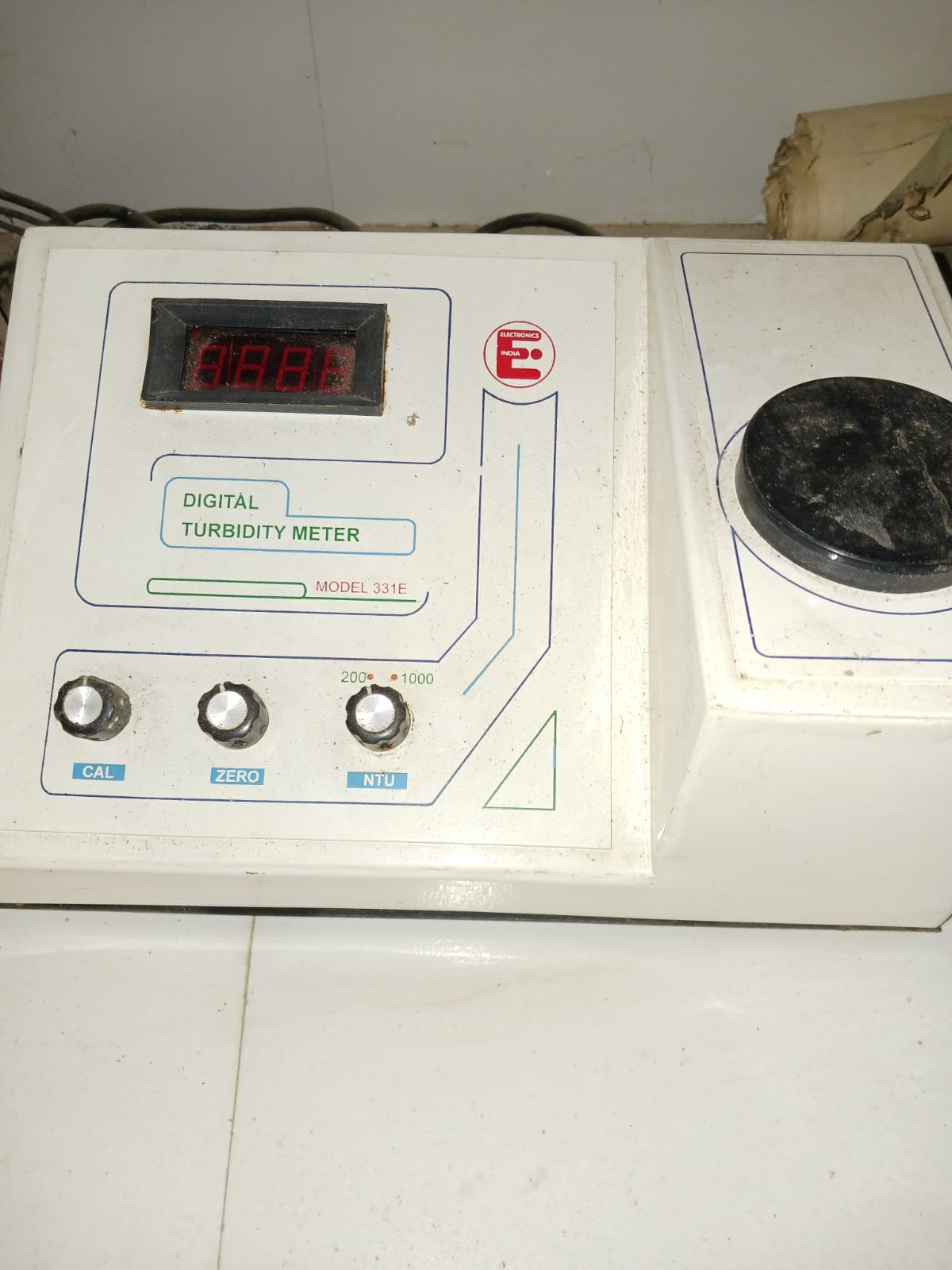
🔬 Name and Description Details of Instrument
🧪 Turbidity meter
📋 Turbidity instruments are used to determine water clarity by measuring the average volume of scattered light.
|
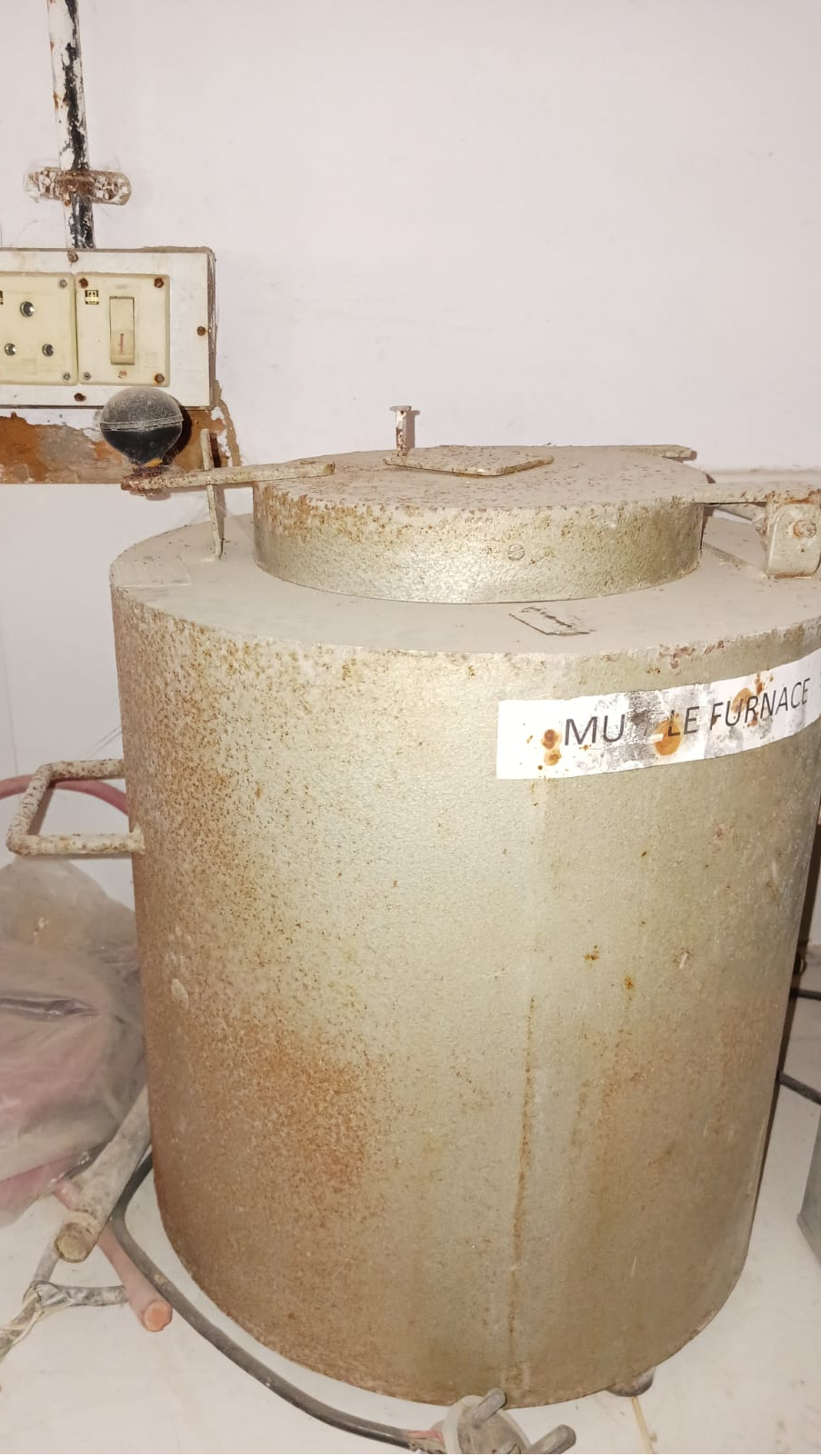
🔬Name and Description Details of Instrument
🧪 Muffle furnace
📋 A muffle furnace or muffle oven is a furnace in which the subject material is isolated from the fuel and all of the products of combustion, including gases and fly ash.
|
|
|
|
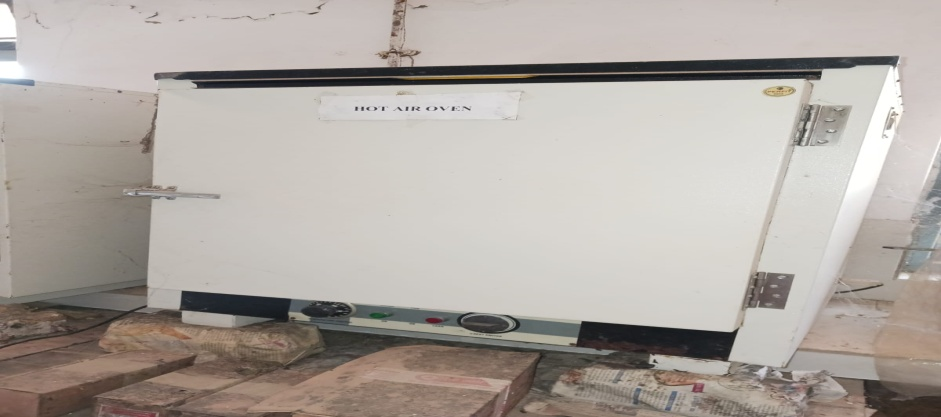
🔬 Name and Description Details of Instrument
🧪 Hot air oven
📋 Hot air ovens are electrical devices which use dry heat sterilize. They use a thermostat to control the temperature.
|
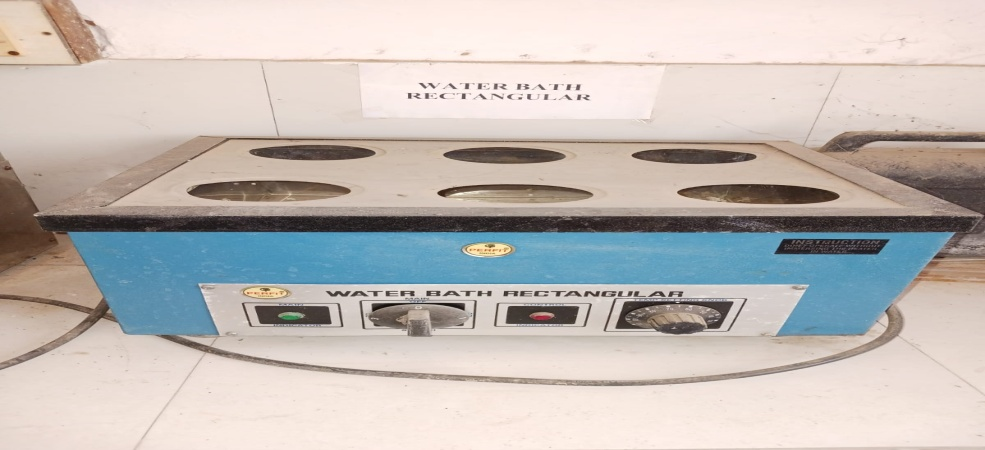
🔬Name and Description Details of Instrument
🧪 Water bath rectangular
📋 The purpose of water bath sahaker is to steadily shake and mix samples while maintaining a constant temperature.
|
|
|
|
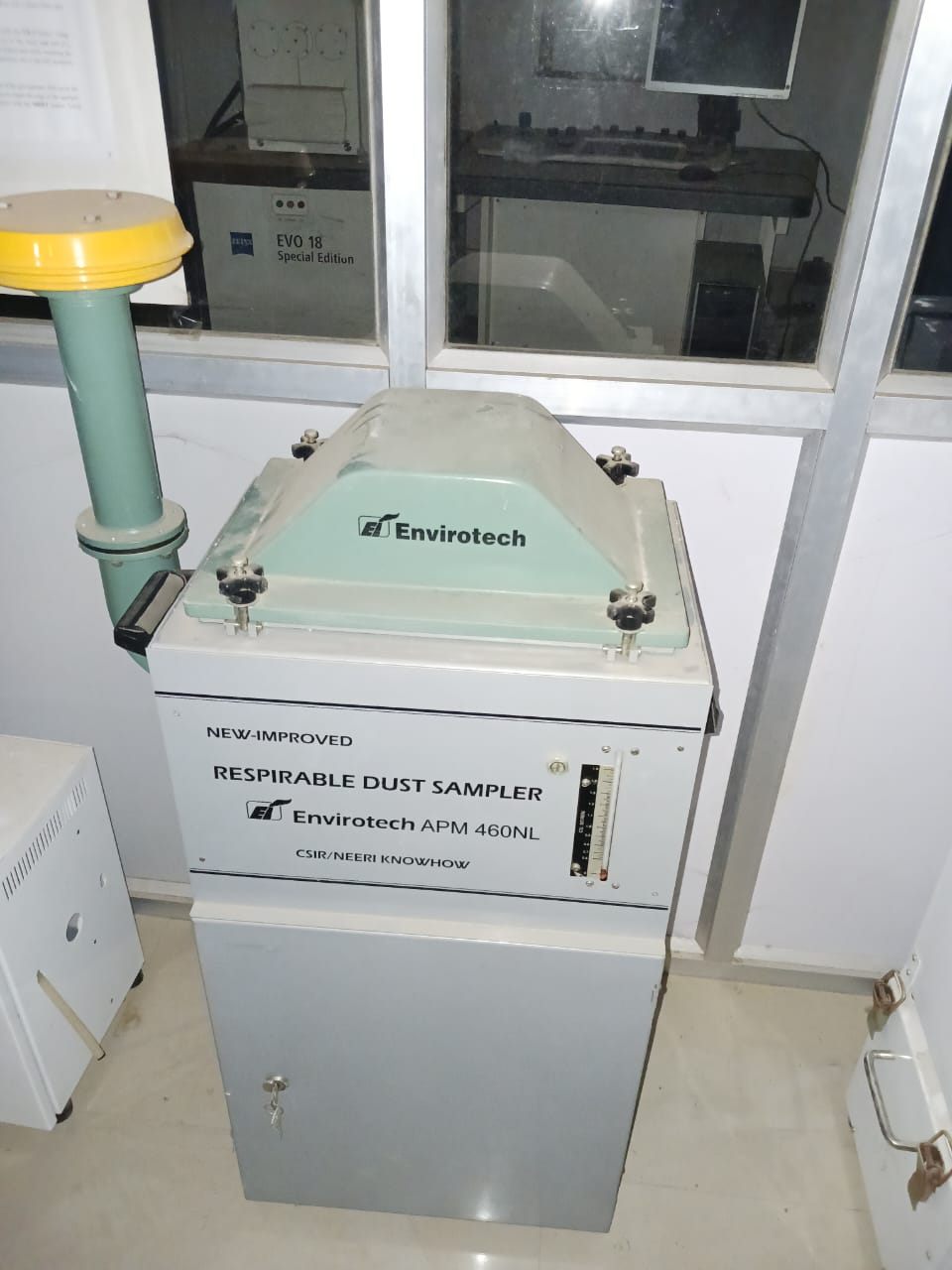
🔬 Name and Description Details of Instrument
🧪 Repairable dust sampler (Envirotech APM 460 NL)
📋 Respirable dust sampler uses an improved cyclone with a sharper cutoff to separate the coarser particulates from the air stream before filtering it on the glass microfiber filter.
|
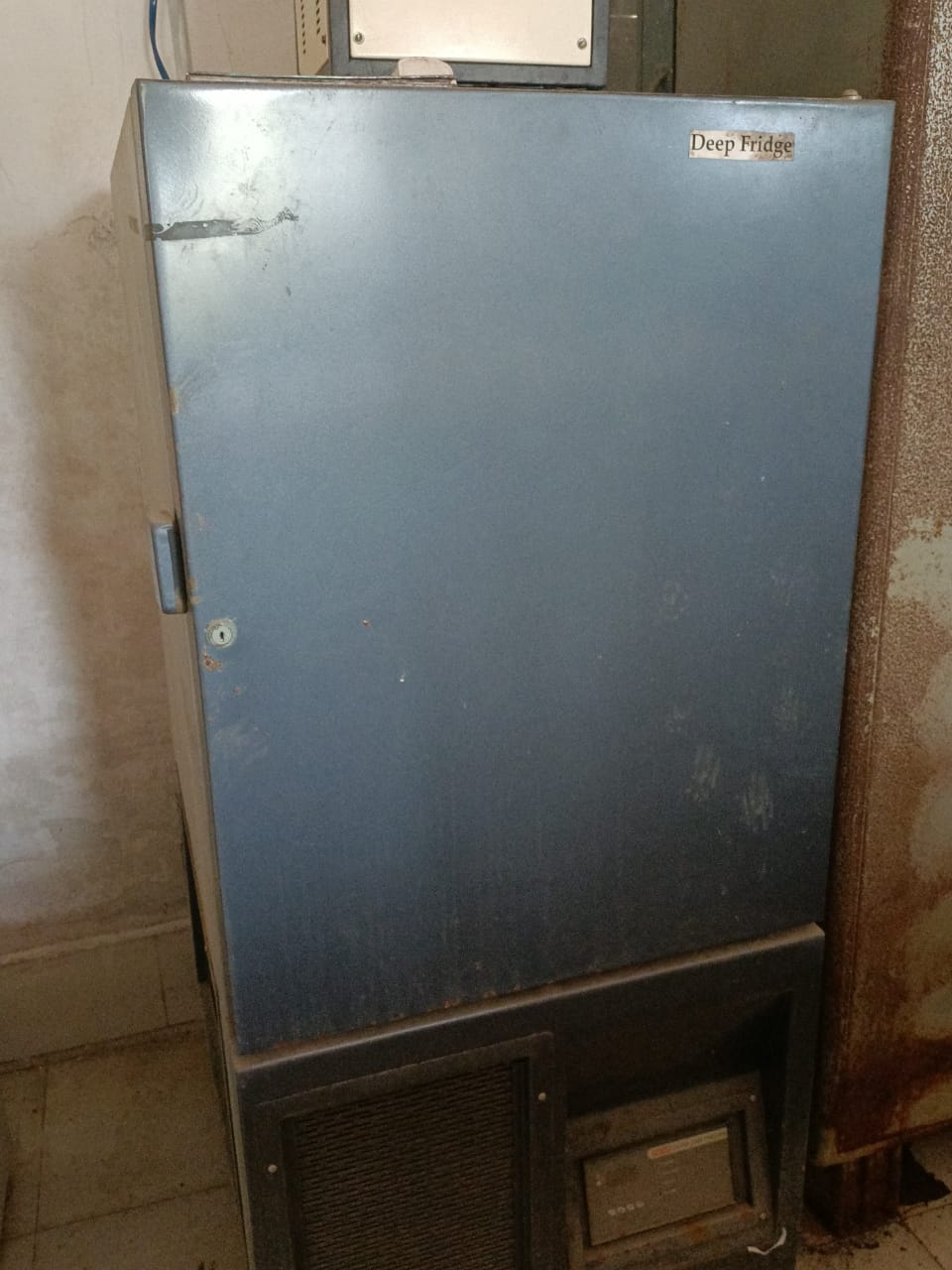
🔬Name and Description Details of Instrument
🧪 Deep Freezer
📋 Deep freezers are the testing equipment that are used to preserve and store food products, medical equipments, blood samples, medicines and injections, etc. For a long period of time.
|
|
|
|
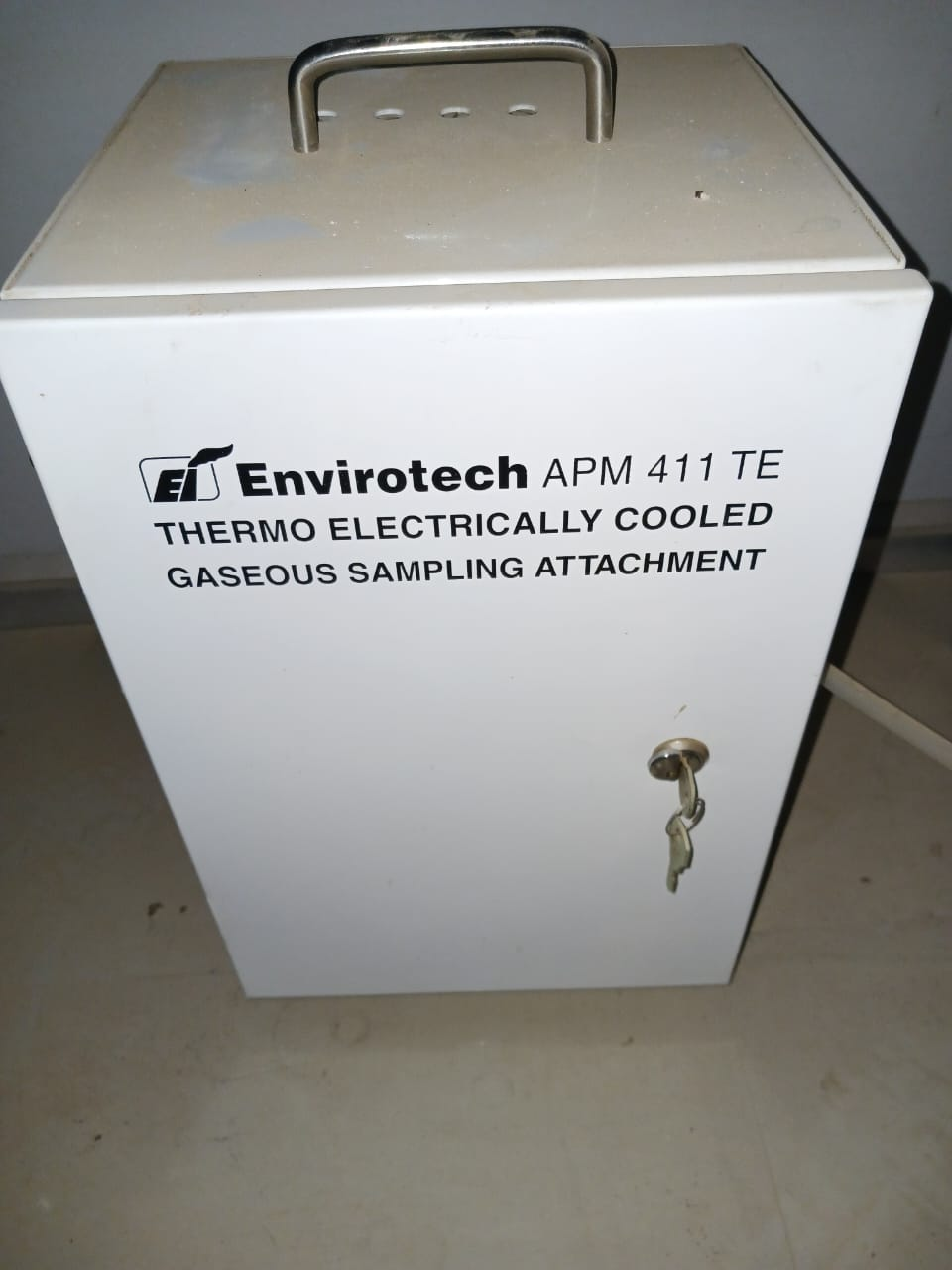
🔬 Name and Description Details of Instrument
🧪 Thermoelectrically cooled gaseous sampling attachment ( Envirotech APM 411TE)
📋 Thermo-electric cooled gaseous sampler can be used as stand-alone sampler independent of a particulate sampler. Using suitable chemical reagents, upto four gases.
|
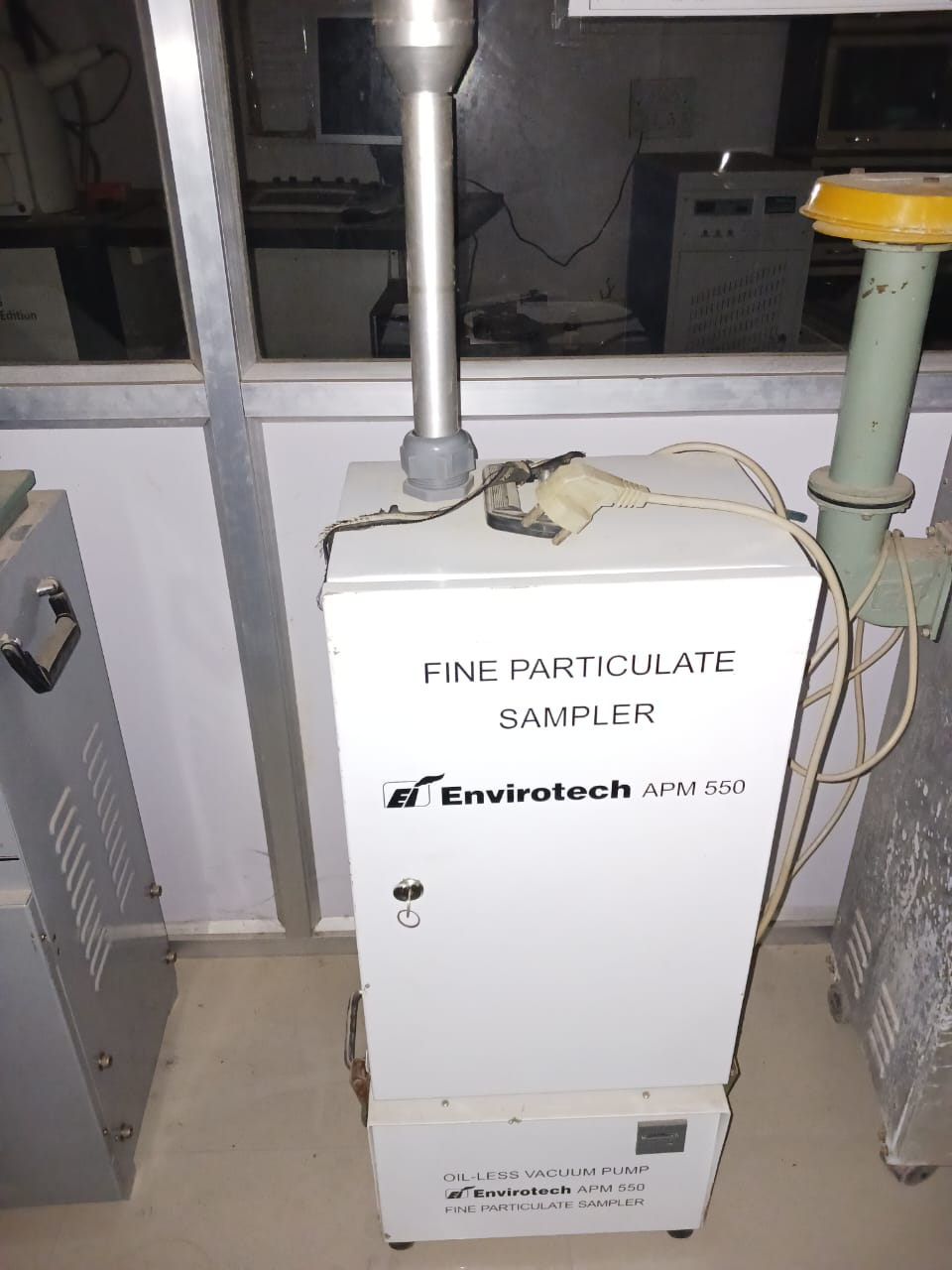
🔬Name and Description Details of Instrument
🧪 Fine particulate sampler (Envirotech APM550)
📋 A particulate matter sampler is an instrument for measuring the properties ( such as mass concentration or chemical composition) of particulates in the ambient air.
|
|
|
|
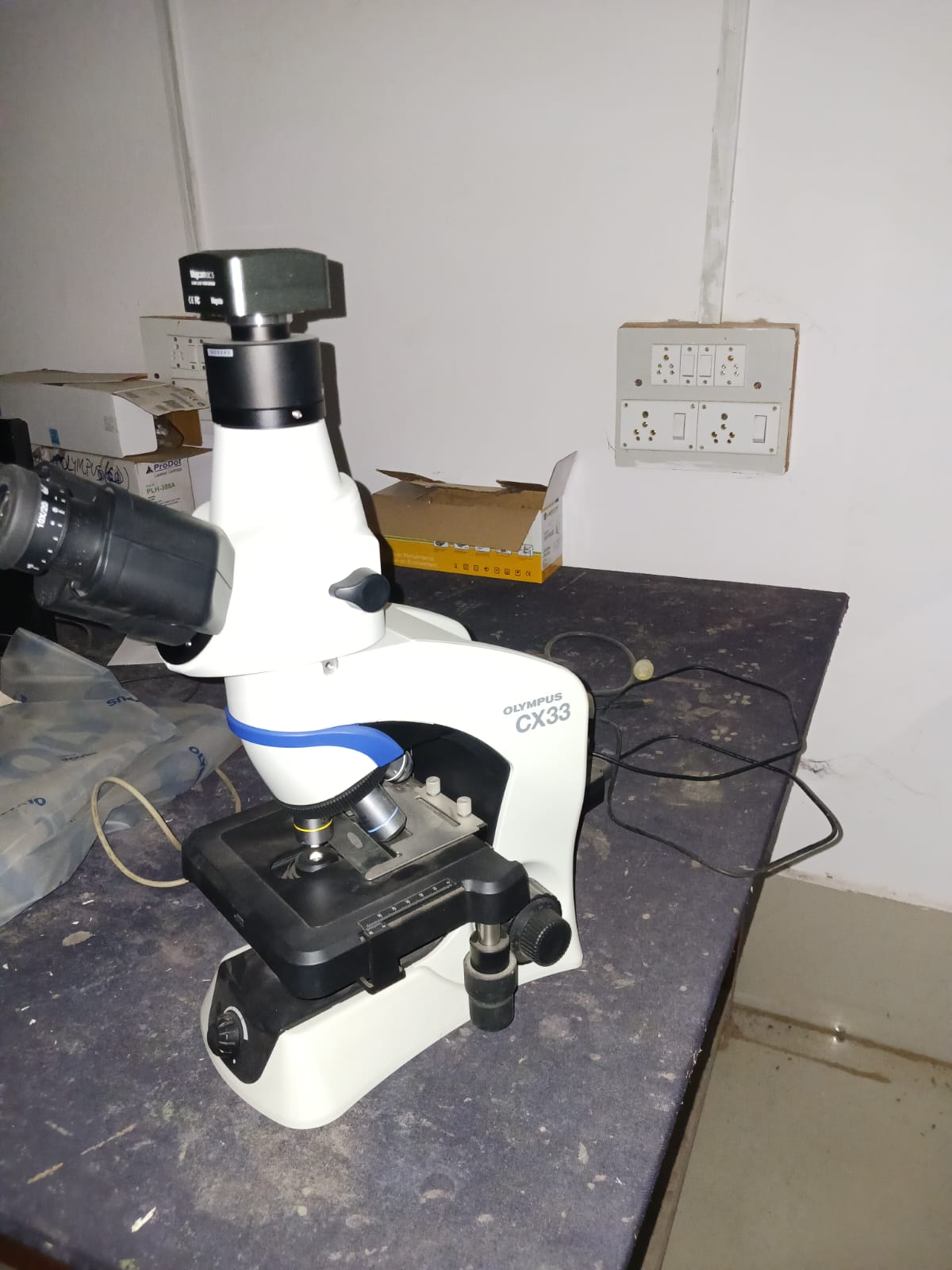
🔬 Name and Description Details of Instrument
🧪 Optical Microscope (Olympus cx33)
📋 OPTICAL MICROSCOPE also called a Light Microscope uses visible light and lenses to create a magnified image of small objects that could not otherwise be seen with the naked eyes.
|
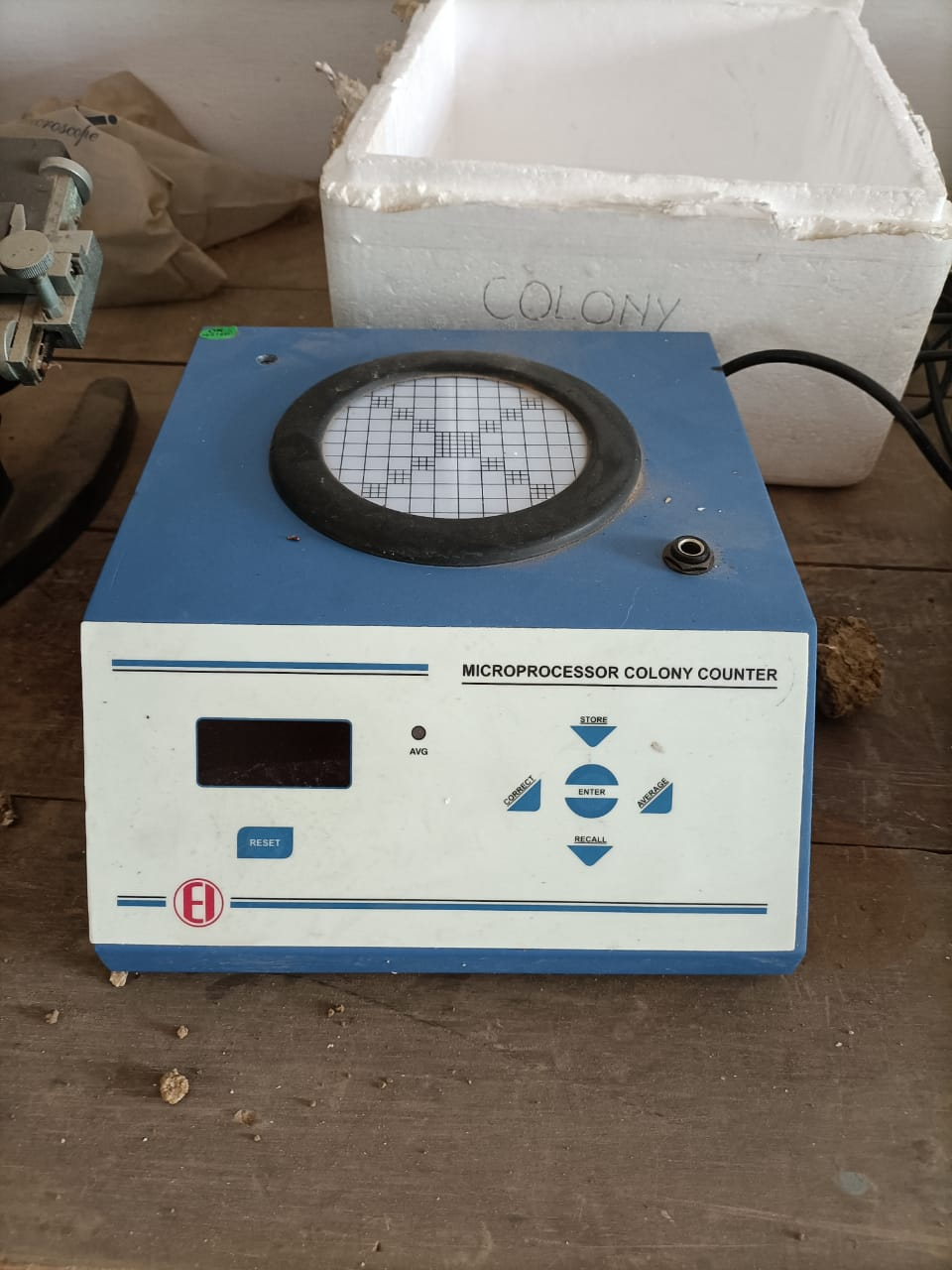
🔬Name and Description Details of Instrument
🧪 Colony Counter
📋 A colony counter is an equipment used to count colonies of microorganisms growing on agar plates.
|
Department of Chemistry
| 🔬 Research Equipment - 01 | 🧪 Research Equipment - 02 |
|---|---|
|
|
|
|
🔬 Name and Use Details of Instrument
🧪 Cyclic Voltammetry (BAS-100)
📋 (Instrumental facilities available in Department).
|
|
ApplicationsStudy of reaction mechanismThe facility is used to investigate and analyze the mechanism of chemical and biochemical reactions, helping researchers understand reaction pathways, intermediates, kinetics and the factors influencing reaction rates under different experimental conditions. Quantitative determination andUsed for the accurate quantitative determination and analysis of chemical compounds, biomolecules and other substances in research samples using advanced laboratory techniques. Electrochemical reversibility and determination of number of electrons transferUsed to study the electrochemical reversibility of redox reactions and to determine the number of electrons transferred during electrochemical processes, providing valuable insights into reaction mechanisms and electrode kinetics. |
|
|
|
|
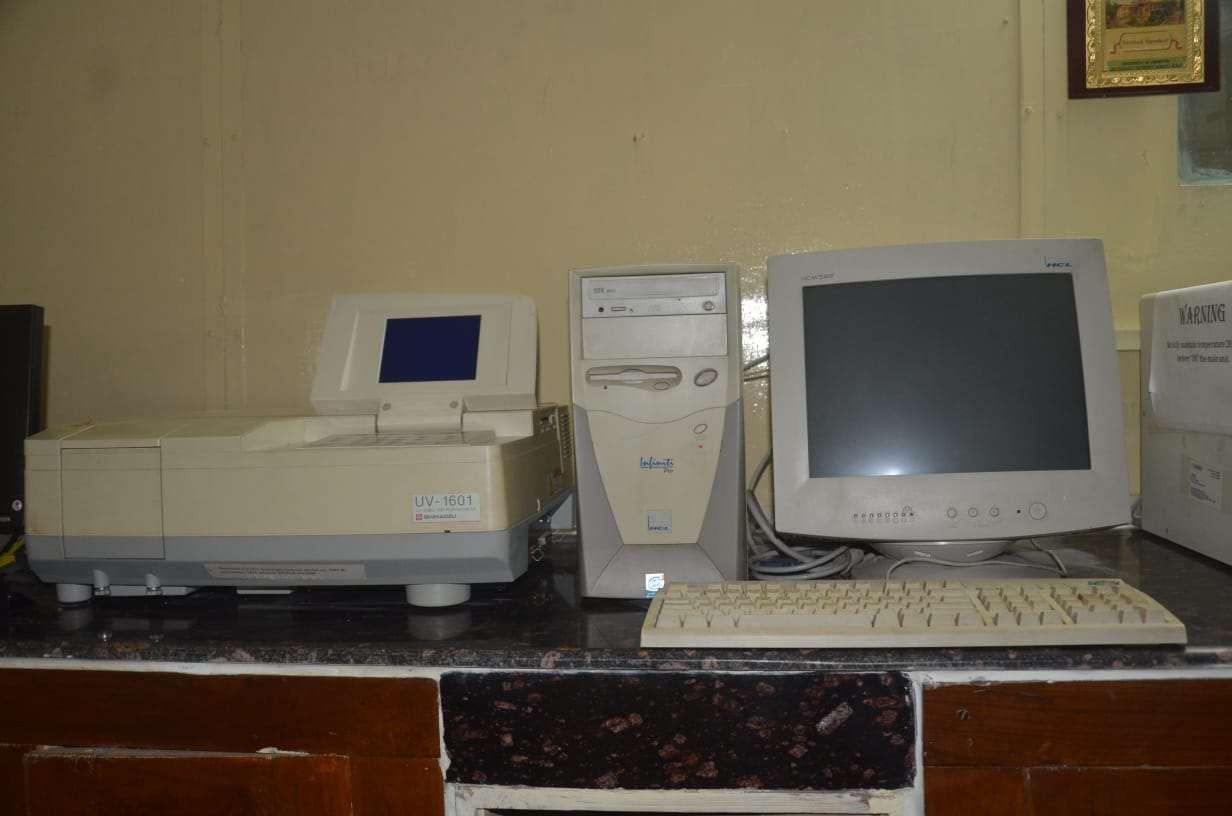
🔬 Name and Use Details of Instrument
🧪 UV-vis Spectrophotometer (UV-1601 Shimadzu)
📋 (Instrumental facilities available in Department).
|
|
ApplicationsQuality controlUsed for quality control analysis to ensure the accuracy, reliability and consistency of raw materials, chemical compounds, pharmaceutical products and research samples in accordance with established standards. Food and agriculture and Tradition ChemistrySupports research related to food quality analysis, agricultural products, nutrient evaluation, soil chemistry and the development of sustainable agricultural practices for improving productivity and food safety. Facilitates the study of traditional chemical practices, indigenous knowledge systems, natural products, herbal formulations and eco-friendly processes to preserve and promote valuable scientific heritage. Photochemistry Pharmaceutical research PetrochemistryResearch facilities support Photochemistry studies, enabling the investigation of light-induced chemical reactions, molecular excitation, energy transfer processes, and applications in environmental, biological, and material sciences. The laboratory provides advanced facilities for Pharmaceutical Research, including drug analysis, formulation studies, quality evaluation, medicinal chemistry, and the development of innovative pharmaceutical products. Modern research instruments facilitate studies in Petrochemistry, covering the analysis of petroleum products, hydrocarbons, fuel quality, refining processes, and industrial chemical applications. |
|
|
|
|
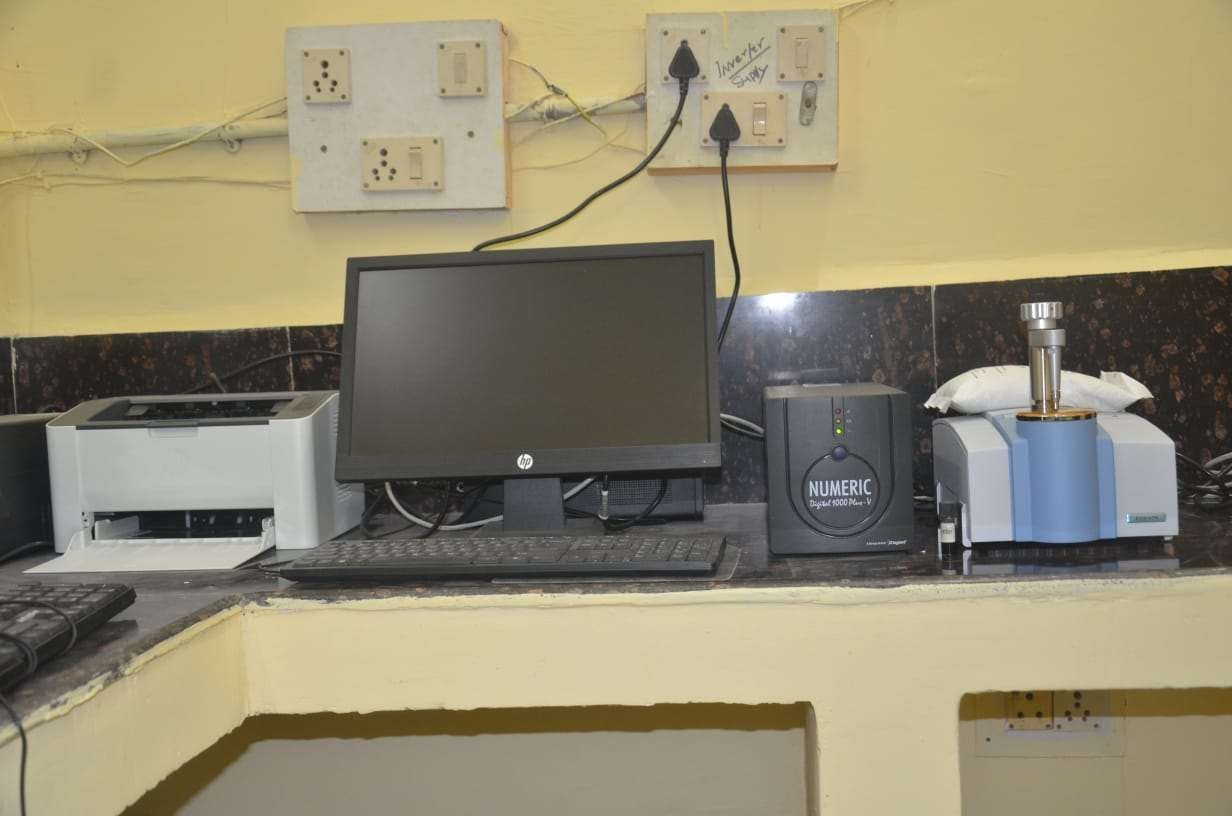
🔬 Name and Use Details of Instrument
🧪 Fourier transform infrared (FTIR) Spectrophotometer (BRUKER ALPHA II)
📋 (Instrumental facilities available in Department).
|
|
ApplicationsQuality verification of incoming/outgoing materialsThe facility is used for the quality verification of incoming and outgoing materials by evaluating their physical, chemical and analytical properties to ensure compliance with prescribed quality standards, specifications and regulatory requirements. Deformulation of polymers, rubbers, and other materials through thermogravimetric infra- red (TGA-IR) or gas chromatography infra-red (GC-IR) analysisAdvanced analytical techniques such as TGA-IR (Thermogravimetric Infrared Analysis) and GC-IR (Gas Chromatography Infrared Analysis) are used for the deformulation and characterization of polymers, rubbers, plastics and other industrial materials to identify their composition, additives and thermal degradation behavior. Microanalysis of small sections of materials to identify contaminants Analysis of thin films and coatingsPerforms detailed microanalysis of small sections of materials to identify contaminants, impurities and structural defects, ensuring accurate material characterization and quality assessment. Provides advanced analysis of thin films and protective coatings to evaluate their composition, thickness, performance and surface properties for research and industrial applications. Monitoring of automotive or smokestack emissionsFacilitates the monitoring and analysis of automotive exhaust and smokestack emissions to evaluate pollutant levels, ensure environmental compliance and support air quality research and pollution control studies. |
|